























Choosing the best Aluminium Colonial Windows involves more than matching a traditional grid pattern. The strongest option must balance heritage appearance, thermal performance, weather resistance, and long-term maintenance. Colonial windows usually feature evenly divided panes, slim sightlines, and a formal façade rhythm. Their details are visible from the street, especially around older brick homes and rendered cottages.
The U.S. Department of Energy reports that windows can account for approximately 25% to 30% of residential heating and cooling energy use. This makes frame design and glazing selection practical decisions, not merely decorative ones. A thermally broken aluminium frame can reduce heat transfer through the profile. Low-emissivity double glazing may improve indoor comfort further. However, results depend on installation quality, glass orientation, shading, and local climate. A premium window can still perform poorly when fitted badly.
The International Aluminium Institute highlights aluminium’s durability, recyclability, and extensive use in efficient building systems. Yet sustainability claims need careful checking. Recycled content, coating life, manufacturing energy, and end-of-life recovery all matter. The best Aluminium Colonial Windows should also meet recognised performance standards, such as air leakage, water penetration, and structural resistance requirements tested under relevant regional codes. Ask for documented U-values, solar heat gain data, warranties, and test results. Marketing language is not enough.
There is no universal winner. A coastal property may need stronger corrosion protection, while a cold climate may prioritise deeper thermal breaks. Slim profiles look authentic, but larger glazing areas can change energy performance. This guide examines those trade-offs, helping homeowners choose a colonial-style window that looks convincing and performs reliably. Some decisions remain subjective. That is worth admitting.
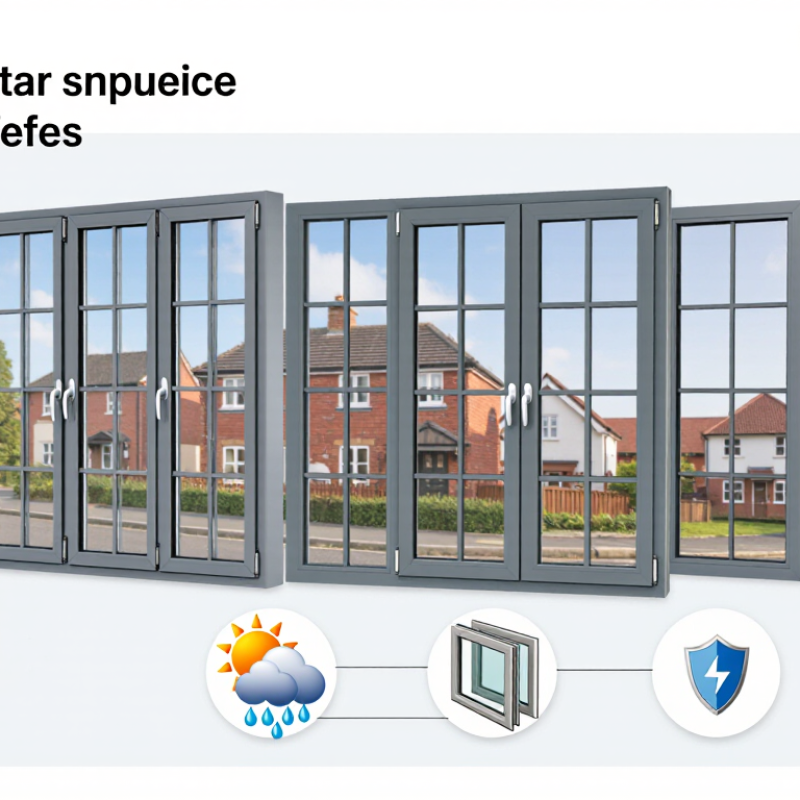
An aluminium colonial window is defined mainly by its divided-light appearance. Slim bars, called muntins or grilles, create a regular pattern of smaller panes within a larger sash. The layout often uses balanced rectangles and a clear central meeting rail. But “colonial” is a style description, not a fixed technical standard. Some windows use bars between glass panes; others attach grilles to the glass surface. True divided lites have separate glass panes, though they are less common in modern residential windows.
The frame material changes the look. Aluminium can support narrow profiles, leaving more glass visible, while a thermal break helps limit heat transfer through the frame. Check the National Fenestration Rating Council label for U-factor and solar heat gain coefficient, rather than judging performance by appearance. The U.S. Department of Energy’s Energy Saver guidance estimates that windows account for about 25–30% of residential heating and cooling energy use. That figure makes glazing and installation details worth checking.
Look closely at the grid from indoors and outdoors. Bars should align cleanly, and the sash should open without scraping or rattling. Drainage paths and perimeter seals matter, too. A colonial pattern can feel authentic, but a crowded grille may darken a small room. I’d compare a full-size sample before choosing; photographs often hide that effect.
Colonial architecture depends on balance, rhythm, and restrained detail. Aluminium windows should support those qualities rather than dominate the façade. Traditional double-hung frames usually provide the strongest match, especially when they have narrow vertical proportions and evenly spaced glazing bars. Their upper and lower sashes create a familiar colonial rhythm across symmetrical elevations.
Casement frames can also suit colonial homes, but their hardware and opening lines need careful control. Choose slim sightlines, simple handles, and divided-light panels that align with the house’s existing window pattern.
Fixed windows work well beside entrance doors or in larger central compositions. They preserve symmetry while bringing more daylight into stair halls and sitting rooms. Bay windows may add character, although an oversized projection can weaken the disciplined colonial appearance.
From practical installation experience, frame depth matters as much as colour. A recessed aluminium frame often looks more authentic than one sitting flush with the outer wall. Powder-coated finishes in soft white, charcoal, or muted green can complement painted timber details. Thermal breaks and insulated glazing improve comfort without changing the period-inspired profile. Proportion matters most.
I once underestimated the effect of glazing-bar width. Very thick bars made a carefully designed elevation look heavy. Very thin bars felt visually weak. Local climate, drainage, and wall construction also deserve professional assessment before selecting a final style. Authenticity is not always perfect. A thoughtful compromise may perform better than a strict historical imitation.
Aluminium Colonial windows differ less by their decorative grids than by their frame construction, opening style, and glass performance. Fixed units provide the best airtightness, but they cannot ventilate a room. Casement windows usually seal tightly, while sliding and double-hung designs offer easier operation but may lose more air around moving parts.
Thermal-break frames deserve careful attention. They use an insulating barrier between the inner and outer aluminium sections, reducing heat transfer. The U.S. Department of Energy reports that windows can account for 25–30% of residential heating and cooling energy use. That figure makes frame and glass selection important, not merely decorative. Double glazing with low-emissivity coatings usually outperforms basic single glazing, especially beside a cold hallway or sunlit kitchen. Still, performance depends on installation. A well-rated window with a poor perimeter seal can disappoint.
The National Fenestration Rating Council recommends comparing U-factor and solar heat gain coefficient ratings. Lower U-factor means better insulation; SHGC should match the local climate and room exposure. The International Energy Agency’s 2023 Buildings report identifies buildings as responsible for about 30% of global final energy demand, so small envelope improvements matter at scale. Colonial patterns also affect maintenance. Narrow applied bars create a traditional appearance, but dust collects around their edges. My practical preference is a thermally broken casement with insulated glazing and restrained grille proportions. It is not always the cheapest option. However, visual authenticity should not quietly replace ventilation, sealing, and measurable energy performance.
| Comparison | Casement | Awning | Sliding | Double-Hung | Fixed |
|---|---|---|---|---|---|
| How it opens | Hinged at the side and opens outward. | Hinged at the top and opens outward. | One sash slides horizontally past another. | Two sashes move vertically; one or both may be operable. | Does not open. |
| Colonial appearance | Can suit traditional façades with a balanced grille pattern. | Works well as a smaller window; its outward-opening sash can look less traditional in some designs. | Can have colonial-style grilles, though the horizontal division may create a more contemporary look. | Often complements traditional proportions and can be arranged with colonial-style grilles. | Grilles can create a traditional appearance while keeping the glass uninterrupted by operating hardware. |
| Ventilation | Good airflow; the open sash can help direct breezes into the room. | Provides ventilation while the sash can deflect some light rain, depending on wind and installation. | Provides partial-width ventilation; the opening is limited to the area of the movable sash. | Can provide ventilation at the top, bottom, or both, depending on the design. | None; intended for daylight and views rather than ventilation. |
| Cleaning and access | Exterior glass may be harder to reach if the sash opens outward and is inaccessible from outdoors. | Exterior glass can be difficult to reach from indoors unless the window is designed for convenient cleaning. | Usually straightforward to operate; track cleaning is part of routine upkeep. | Cleaning access varies. Some designs tilt inward, while others require exterior access. | Few moving parts, but exterior cleaning may require outside access. |
| Space and placement | Needs clearance outside for the open sash; consider paths, landscaping, and nearby windows. | Projects outward, so check clearance above walkways and near exterior features. | No outward swing, making it useful where exterior clearance is limited. | No outward swing; suitable where space outside the window is restricted. | No operating clearance required; often used in high or hard-to-reach areas. |
| Typical strengths | Wide opening, good ventilation, and a sash that can press against the frame when closed. | Useful ventilation in locations where some shelter from light rain is desirable. | Simple operation and a practical choice for wider openings or restricted exterior space. | Flexible ventilation from the top or bottom and a familiar traditional profile. | Often offers a simple, low-maintenance solution for maximum daylight in a fixed opening. |
| Points to consider | Outward-opening sashes can be affected by wind and may obstruct exterior space. | Rain protection is not guaranteed, especially in strong wind; hardware and seals need periodic checks. | The meeting rails and tracks can affect the view; only part of the frame usually opens. | More moving components may require adjustment or maintenance over time. | Cannot provide fresh air or serve as an operable emergency exit. |
| Best suited to | Rooms where airflow and a wide opening are priorities. | Kitchens, bathrooms, or other rooms needing ventilation with limited outward exposure. | Wide openings, patios, and locations where a swinging sash is inconvenient. | Traditional-style homes where vertical proportions and adjustable ventilation are desired. | Stairwells, feature windows, and areas where ventilation is provided elsewhere. |
| Overall choice | A strong all-round option when ventilation is a priority and there is room for the sash to open. | A practical option for controlled ventilation, subject to exposure and clearance. | A space-saving option, particularly for wider openings. | A good match for a classic colonial look when vertical operation is preferred. | Best when daylight and views matter more than opening the window. |
| Colonial describes the traditional grille or divided-lite appearance, not a specific opening mechanism. Grilles may be applied to several aluminium window styles. Actual energy performance, weather resistance, security, and maintenance requirements depend on the frame design, glazing, seals, hardware, installation, and local conditions. | |||||
The best aluminium colonial window is not simply the one with the most traditional-looking grid. Match frame depth, glazing bars and opening style to your home’s proportions. Slim bars can preserve daylight; dense grids may make a small room feel darker. There is no perfect grid. Check whether bars are applied to the glass or divide separate panes, since the construction affects cleaning and thermal performance. Also inspect the frame’s thermal break, weather seals and drainage paths. These are easy details to overlook.
Glazing deserves close attention. U.S. Department of Energy guidance estimates that windows account for 25–30% of residential heating and cooling energy use, making glass and frame performance more than a cosmetic choice. Compare U-factor and solar heat gain coefficient ratings; the National Fenestration Rating Council explains these measures on its certified product labels. Choose values suited to your climate, orientation and shading, rather than chasing one universally “best” number.
For example, a sun-exposed living room may benefit from different glazing than a shaded bedroom. Finally, test the latch and opening in person if possible. A beautiful sash that sticks is still a poor fit. And older homes can be uneven, so measure each opening carefully before ordering.
What Is the Best Type of Aluminium Colonial Windows?
How to Choose the Right Aluminium Colonial Windows
Choosing the right aluminium colonial windows starts with the building, not the catalogue. Measure each opening carefully, including the reveal depth and sill angle. Colonial grids can make a narrow room feel darker, especially with deep exterior reveals. Ask for a scaled drawing before approving the layout. A six-over-six pattern may suit a heritage-style facade, while fewer panes create a cleaner appearance. Look closely.
Frame performance matters as much as appearance. For warm or cold climates, consider thermally broken aluminium frames and low-emissivity double glazing. Check U-values, air leakage, water resistance, and wind-load ratings. These figures should come from test reports, not sales language. In coastal areas, specify a durable powder-coated finish and corrosion-resistant hardware. Confirm the drainage paths. Poor drainage can leave dark stains below the sill.
Opening style affects daily comfort. Casement windows usually ventilate well, while fixed sections preserve views and reduce moving parts. Use secure, smooth handles that suit the window’s weight. A qualified installer should check plumb, level, flashing, and the wall junction. Even excellent windows can leak when installation is rushed. Request a sample corner and full glass specification before ordering. Small samples can mislead; full-size proportions often look different. Allow space for curtains and cleaning access. Review warranties, maintenance instructions, and local building requirements in writing.
How to Choose the Right Aluminium Colonial Windows
For most homes, thermally broken aluminium frames with insulated low-emissivity glazing provide the best balance of energy efficiency, strength and colonial appearance. When comparing products, prioritize the U-factor, solar heat gain coefficient, air leakage, visible transmittance and condensation resistance. The percentages shown are suggested evaluation weights, not manufacturer test results; always verify certified performance values for the specific window.


Paul Downs Cabinetmakers
401 E. 4th St. Bridgeport, PA 19405
