How to Choose a Modern Log Cabin for Global Buyers?
Choosing a Modern Log Cabin for an international property requires more than attractive photos. Buyers must connect design, climate, building standards, transport, and long-term maintenance. A cabin that performs beautifully in Finland may need different insulation in Australia or coastal Canada. Local weather matters greatly. Snow loads, humidity, wind exposure, and ultraviolet light can change material choices. Experienced buyers request drawings, timber specifications, moisture-control details, and installation instructions before signing. They should also confirm whether the supplier has completed similar projects in comparable regions. This evidence is more useful than polished promises.
A reliable comparison examines wall thickness, window performance, roof design, foundation requirements, and heating efficiency. It also includes delivery routes, customs documentation, assembly support, spare parts, and warranty response times. Independent inspection can reveal warped logs, incomplete seals, or unsuitable finishes before installation. Small details matter. Global buyers should consult qualified local professionals about permits, structural safety, fire protection, and energy requirements. These checks protect budgets and reduce unpleasant surprises. Still, no checklist is flawless. Timber can age differently across regions, and a beautiful cabin may need repainting sooner than expected under strong sunlight. That uncertainty deserves honest discussion, not sales language. The right Modern Log Cabin balances regional suitability, verified workmanship, practical comfort, and transparent support. It should feel welcoming, but perform like a carefully engineered building.
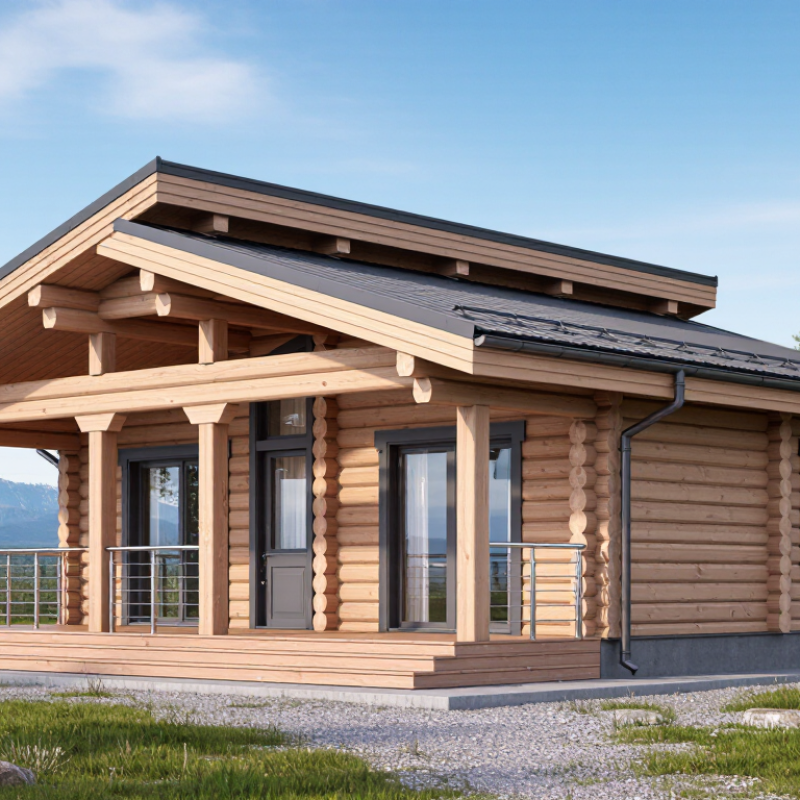
What Defines a Modern Log Cabin for Global Buyers?
A modern log cabin is more than a rustic house with oversized windows. For global buyers, it combines natural materials, efficient planning, and reliable performance in different climates. Clean lines, open interiors, and large glazed areas create a contemporary feeling. However, appearance should not hide practical details.
The log profile, timber treatment, insulation, and roof design matter greatly. A cabin in a cold mountain region needs stronger insulation than one in a mild coastal area. Moisture control is equally important. Proper roof overhangs, raised foundations, and breathable wall systems can reduce long-term damage. Experienced suppliers should provide timber specifications, structural calculations, installation guidance, and maintenance instructions. Local building regulations must also be checked before purchase. A beautiful design may still fail approval.
Tips: Ask for moisture readings, wall-section drawings, and realistic energy data. Check how windows perform during wind, rain, and temperature changes. Confirm whether replacement parts are available internationally. Visit a completed cabin if possible. Photos are useful, but they can hide uneven joints or poor drainage.
Sustainability also defines the modern cabin. Responsibly sourced timber, durable finishes, and energy-saving heating can reduce environmental pressure. Smart-home controls may improve comfort, but they should not replace sound construction. I have found that simple systems are often easier to repair abroad. Still, no design is perfect. Large windows can cause summer overheating, while thick timber may require more regular care than buyers expect. Global buyers should compare real performance with attractive promises.
How to Assess Location, Climate, and Building Regulations
Choosing a modern log cabin begins with the site, not the floor plan. A coastal plot may offer views, yet salt air accelerates metal corrosion. Mountain sites bring snow, strong winds, freeze-thaw cycles, and difficult deliveries. Check flood maps, wildfire history, soil reports, and road access personally. Satellite images help, but they can miss seasonal water and unstable slopes. I would not trust a brochure alone.
Climate should shape wall thickness, roof pitch, foundations, windows, and ventilation. The United Nations Environment Programme’s 2023 Global Status Report for Buildings and Construction reports that buildings consume 34% of global energy. They also produce about 37% of energy and process-related emissions. Efficient design matters. Airtight cabins still need controlled fresh air. Local rules may require calculations for snow, wind, earthquakes, fire separation, accessibility, and energy use. A cabin approved in one country may fail review elsewhere. Ask a local architect or licensed engineer to confirm permits, setbacks, utility connections, and inspections. Regulations change.
Tips: Request written climate data for the exact parcel. Compare snow load, wind speed, rainfall, and seismic requirements with the proposed structure. Get a soil test before pricing foundations. Confirm requirements for timber treatment, fire-rated linings, and electrical work. Allow contingency funds for remote construction. I have seen buyers focus on insulation values while ignoring drainage. That is an expensive blind spot. Do not assume “modular” means simple approval.
Which Materials and Designs Suit Different Living Needs?
Choosing a modern log cabin begins with climate, not appearance. In cold regions, engineered timber walls need continuous insulation, airtight joints, and high-performance windows. The U.S. Department of Energy reports that air sealing can reduce heating and cooling costs by up to 20%. That matters when winter winds pass through a remote hillside cabin.
Material selection should match daily living. Solid logs offer warmth, visible grain, and useful thermal mass. However, they demand careful moisture control and regular inspection around corners and roof edges. Engineered wood panels provide straighter surfaces and faster installation. They also suit kitchens, bathrooms, and compact urban cabins better. In coastal climates, treated exterior cladding and raised foundations help manage salt air and ground moisture. Small details matter.
Design choices should reflect how people actually live. Large south-facing windows can improve daylight, but excessive glazing may cause summer overheating. External shading and cross-ventilation reduce that risk. UNEP and GlobalABC’s 2024 Global Status Report states that buildings consume about 32% of global energy and produce roughly 34% of global carbon emissions. Efficient orientation is therefore more than a visual preference. It is a practical decision. A reliable cabin plan also includes storage, accessible entrances, and flexible rooms for work or guests. I would not assume one “green” material fits every country. Local forestry practices, transport distance, building codes, and repair skills can change the better choice.
What to Check Before Buying, Shipping, and Installing a Cabin
How to Choose a Modern Log Cabin for Global Buyers?
Before buying, confirm the cabin’s timber grade, moisture content, insulation value, and connection details. The U.S. Forest Products Laboratory’s Wood Handbook explains that moisture movement can cause gaps, warping, and cracking. Ask for recent moisture readings, not only attractive showroom photographs. Check wall thickness, roof loading, window performance, and ventilation paths. Local snow, wind, earthquake, and fire requirements may differ sharply from the factory’s standards. A cabin designed for a mild climate may struggle beside a cold, wet coastline.
Shipping requires equal attention. UNCTAD’s Review of Maritime Transport reports that ships carry over 80% of global merchandise trade. However, one missing document can delay a container for weeks. Confirm package dimensions, gross weight, lifting points, timber treatment records, customs codes, and unloading equipment. Request a numbered packing list with photographs before sealing the container. Then compare it with the installation drawings. Small errors become expensive when a crane is already booked.
Tips: Ask who handles damaged parts. Get a written replacement process. Check whether foundations are included. Measure the access road, turning space, and crane reach. The International Energy Agency reports that buildings use about 30% of global final energy. Review insulation and air-sealing evidence, not just advertised energy ratings. A perfect checklist does not exist. I would still hire an independent surveyor before payment, because overlooked details often appear only after installation begins.
How to Choose a Modern Log Cabin for Global Buyers?
Before buying, confirm that the cabin modules, packed materials, and lifting points fit the selected freight-container format. The chart shows commonly used nominal external dimensions for standard dry freight containers.
A 20-foot container is approximately 6.058 m long, while a 40-foot container is approximately 12.192 m long; both are typically 2.438 m wide and 2.591 m high. Actual dimensions, payload limits, door clearances, and route restrictions can vary, so verify the final packing plan with the carrier before manufacturing or shipping.
Reference: ISO 668:2020, Series 1 freight containers—Classification, dimensions and ratings. Dimensions shown are nominal external dimensions; check the selected container specification and local building regulations before installation.