How to Choose the Best Lavatory Drain?
Choosing the right Lavatory Drain begins with the sink, not the finish on the showroom shelf. Check the basin’s drain opening, overflow design, and thickness before comparing materials. A drain that looks elegant can still leak, sit too high, or fail to connect neatly to the existing trap. Small details matter.
For this guide, plumbing specialist Jordan Lee is a fictional composite, not a quoted real-world authority. The following line is an original editorial rule of thumb: “Match the drain to the basin first; choose the finish second.” Treat it as practical guidance, not a verified expert quotation. A real installer can confirm compatibility when measurements or existing connections are uncertain.
A reliable Lavatory Drain should fit the sink, seal securely, and allow water to clear without pooling. Measure the opening with a tape, inspect whether the basin has an overflow, and note the tailpiece size beneath the sink. Then compare pop-up, grid, and stopper designs, along with brass, stainless steel, or plastic construction. The best choice depends on everyday use, maintenance, and the plumbing already in place.
There is no universal winner. A push-button mechanism may feel convenient, yet its small moving parts can collect hair and soap residue. A simple grid drain has fewer mechanisms, but it may not retain water for washing. Finishes can also vary in durability; a polished surface may show water spots near a frequently used faucet. These trade-offs deserve attention. Before buying, review the manufacturer’s fit specifications and installation instructions. If the measurements do not agree, pause and verify them rather than forcing a connection.
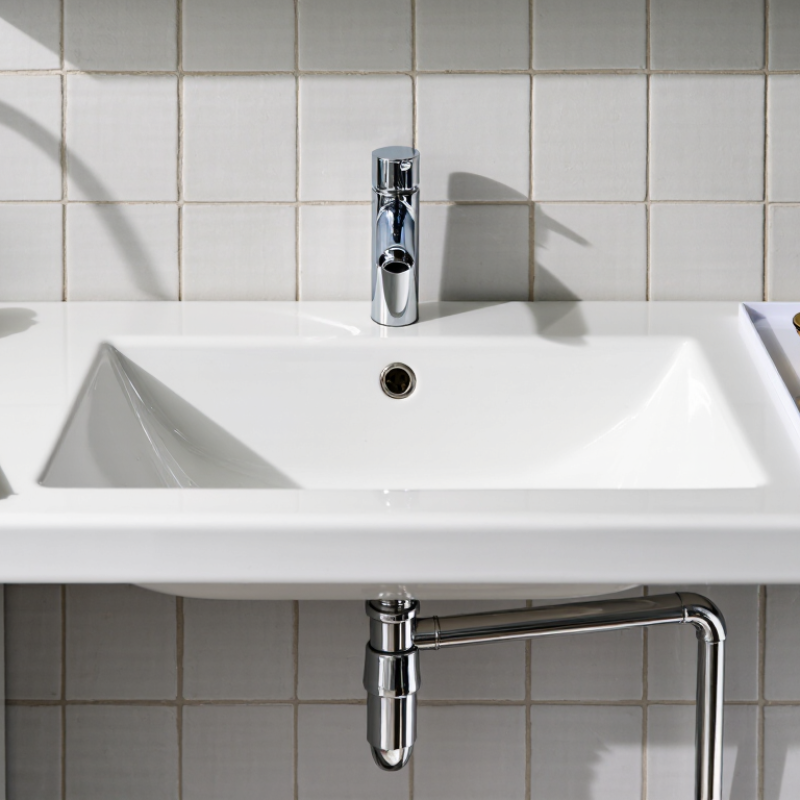
Identify Your Lavatory Type and Drain Configuration
Before choosing a lavatory drain, identify the basin style and its built-in features. A drop-in or undermount sink may have an overflow opening near the rim; many vessel basins do not. That small hole changes the drain you need. A drain with overflow ports works with a basin that has an overflow channel. A basin without one generally needs a non-overflow drain. Check the basin specifications, not just its appearance.
Tips: Look beneath the basin and note the outlet diameter, tailpiece length, and trap position. Measure twice. Check whether you prefer a lift-rod pop-up stopper, a push-button stopper, or an open grid drain. A pop-up can hold water for washing, while a grid drain lets water flow continuously.
Compare the drain connection size with the sink opening and existing plumbing before buying. A mismatch can require extra adapters or create awkward alignment under the cabinet. Check clearance around drawers and faucet linkages, too.
The overflow detail is easy to miss during measuring; I still double-check it before fitting parts. Use a drain configuration that matches the basin, since the wrong type may not seal or function correctly.
Measure the Drain Opening and Check Sink Compatibility
Measure the basin’s drain opening before choosing a lavatory drain. Use a ruler or calipers across the widest inside diameter, not the outer rim. Then check the sink specification for its outlet size and whether it has an overflow. These details determine the drain body and gasket you need. The 2021 International Plumbing Code, Table 709.1, lists a 1¼-inch minimum fixture-drain size for lavatories. That is a pipe-sizing reference, not a guarantee that every sink opening accepts the same drain. Fit still matters.
Tips: Measure twice. Compare the sink manual’s opening dimensions with the drain’s flange and shank. Check the overflow channel, too; an overflow-style drain may not seal correctly in a sink without one.
Before installation, dry-fit the drain and inspect how its flange sits against the basin. It should cover the opening evenly without rocking or crowding the sink’s curved surface. Confirm that the threaded shank reaches through the basin and leaves room for the washer and locknut. Also check the tailpiece connection and trap alignment beneath the sink. A small mismatch can cause slow leaks or force the pipe into an awkward angle. I have learned that nominal sizes can sound reassuring, but actual sink dimensions deserve the final say. If the manufacturer’s dimensions are unclear, verify them before opening the sealant.
Compare Drain Materials, Finishes, and Operating Styles
A lavatory drain should match both the basin and the way you use it. Brass is sturdy and commonly used for drain bodies, while plastic is lightweight and resists corrosion. Stainless steel can be durable, but quality varies by alloy and construction. Compare the material, not just the visible cap. A heavier part may feel reassuring, but weight alone does not guarantee a better seal.
Finishes affect appearance and upkeep. Polished chrome is easy to pair with many faucets, though water spots show quickly. Brushed finishes hide fingerprints better. Matte black can look striking, but abrasive cleaners may scratch its coating. Small details matter. Check the care instructions before choosing, especially if your water leaves mineral deposits.
Operating styles change daily use. A push-button pop-up is simple to open and close, while a lift-and-turn stopper requires a small twist. A grid drain stays open, which suits sinks that do not need to hold water. Not always. Confirm that the drain fits the basin opening and matches its overflow design; some sinks have no overflow channel. Installation details can be fussy, and even a good drain may leak if its gasket sits crooked.
Evaluate Installation Requirements and Maintenance Needs
Choosing a lavatory drain starts with the sink and the space beneath it. Check whether the basin has an overflow opening; the drain assembly must match. Measure the outlet, the distance to the wall or floor pipe, and the clearance around the trap. A few millimeters can affect alignment. Small details matter.
Look at how the stopper operates, too. A lift rod needs room behind the faucet, while a push-button stopper may suit a crowded cabinet. Existing plumbing can be less tidy than a diagram suggests. Recheck measurements before buying; guessing can leave the tailpiece too short or the trap under strain. That can be awkward.
Maintenance should fit your routine. A removable stopper makes it easier to clear hair and soap buildup. Choose a design that lets you reach connections without dismantling half the cabinet. Every few weeks, check for moisture around the drain and trap. After installation, fill the basin, release the water, and inspect each joint with a dry tissue. It shows small drips. Avoid forcing fittings tighter, since overtightening can damage seals or threads. Use cleaning methods suited to the drain’s material, and check care instructions before using harsh cleaners.
Confirm Plumbing Compatibility and Water-Seal Performance
A lavatory drain must fit the basin and connect cleanly to the waste piping. Measure the basin outlet rather than relying on appearance. Many basins use a 1¼-inch drain opening, but sizes and connection standards vary. Check the basin’s specifications, then compare the drain body and tailpiece dimensions. Fit matters.
Look for an overflow opening inside the basin. A basin with an overflow needs a drain designed to accept that water; a basin without one generally needs a solid-sided drain. Choosing by finish alone is an easy mistake. I’d also check whether the stopper mechanism clears the basin and can be serviced without removing the drain.
The water seal is held in the trap beneath the sink, not in the drain stopper. Check the trap’s size, alignment, and connection to the waste line. It should retain water to block sewer gases, while the plumbing vent helps prevent that water from being siphoned away. After installation, run water, fill the basin, and inspect every joint for drips. Notice slow drainage, gurgling, or a persistent odor? Those can point to a poor connection, a dry trap, or a venting problem; don’t assume a new drain alone will fix them.
How to Choose the Best Lavatory Drain?
Confirm Plumbing Compatibility and Water-Seal Performance
The IPC and UPC model-code requirements shown specify a trap seal depth of 2–4 inches. Check which code edition is locally adopted. Before buying, also match the drain outlet to the sink and trap: lavatory tailpieces are commonly 1¼ inches, while traps and connections may be 1¼ or 1½ inches. Confirm nominal sizes and connection type against the product specifications.