





















How to Choose a Cinema Chair Manufacturer?

How to Choose a Cinema Chair Manufacturer?

Choosing a Cinema Chair Manufacturer is not just a matter of comparing prices or browsing glossy product photos. The right partner must understand comfort, durability, installation, and the daily rhythm of a busy auditorium. A chair may look impressive in a showroom, yet feel cramped after a two-hour film. Small details matter: lumbar support, armrest spacing, fabric wear, cup-holder placement, and how smoothly each seat returns upright.

For this introduction, the expert name and quotation below are illustrative, not a verified interview or sourced statement. Cinema seating adviser Maya Chen offers this guiding principle: “A cinema chair earns trust one screening at a time.” Use that idea as a practical lens, not a substitute for evidence. Ask manufacturers for material specifications, project references, warranty terms, and samples you can inspect. If possible, test seats with different viewers and check how they feel after extended use. A single showroom visit may not reveal everything.

This title outline will help readers assess manufacturers with care. It will cover product quality, customization, production capacity, communication, delivery, and after-sales support. It will also point to questions buyers sometimes overlook, such as replacement-part availability and cleaning requirements. No supplier is perfect. The aim is to identify a dependable fit for the venue, audience, and budget—and to recognize where more verification is needed before making a decision.
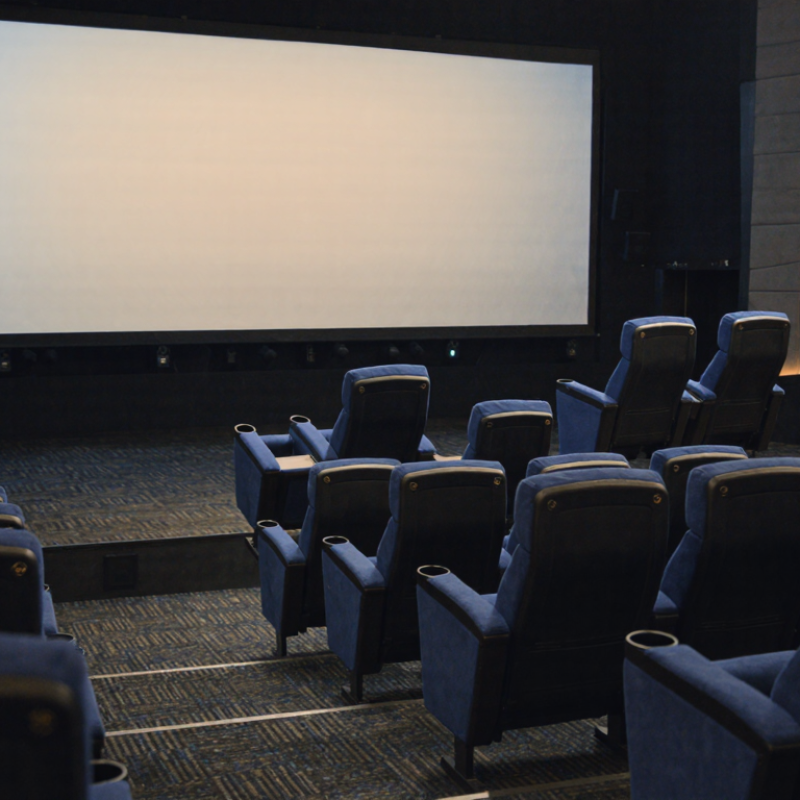
How to Choose a Cinema Chair Manufacturer?

Define Cinema Seating Requirements and Project Constraints

Before choosing a cinema chair manufacturer, define how the room will be used. A compact neighborhood theater, a luxury auditorium, and a multipurpose screening room need different seating. Measure room width, ceiling height, screen position, aisle routes, and door openings. Even a few centimeters matter. Check sightlines from the back row, not only from the center.

Set practical requirements for each seat: width, reclining range, cupholder position, upholstery, and cleaning access. Estimate audience capacity, then test row spacing with the seats in their fully reclined position. Confirm local building and accessibility requirements with qualified project professionals; these vary by location. Ask manufacturers for dimensioned drawings and installation details, not just product photos. Measure twice.

Project constraints shape the right specification. Note the delivery route, installation schedule, floor fixing conditions, and available maintenance space. A sample chair can reveal details that drawings miss, such as armrest clearance or how easily staff can wipe beneath the seat. The first seating plan is rarely perfect. Recheck it after reviewing actual dimensions, and record any assumptions that still need confirmation. This makes supplier discussions more precise and helps prevent late changes to capacity, aisle access, or installation plans.

Compare Manufacturer Experience, Product Range, and Customization

How to Choose a Cinema Chair Manufacturer?

Compare a manufacturer’s experience through completed projects, not just years in business. Ask how many cinema installations they have supplied and whether you can speak with a recent client. Request photos of installed seats, plus details about maintenance and replacement parts. Ask for proof. A polished showroom sample can feel different from a chair used through a busy weekend.

Review the product range against your venue’s layout and audience. Check seat width, recline options, aisle-end configurations, upholstery choices, and cup-holder placement. A broad catalog is useful only when the models suit your room. Ask whether the manufacturer can provide drawings or samples before production. Small details matter. I would not rely on a brochure alone; measurements on paper can still miss how a chair feels in a narrow row.

Customization should solve practical problems, not simply add options. Discuss row spacing, accessible seating needs, fabric durability, colors, and finishes. Ask how changes affect lead time, price, cleaning, and future repairs. If you request a special armrest or logo panel, confirm that it can be replaced without removing the whole seat. Compare written specifications from several manufacturers, and note where their answers remain unclear. That uncertainty deserves another question.

Assess Materials, Construction, Safety, and Comfort

A cinema chair must survive more than a quick showroom test. Ask the manufacturer for material specifications and samples. Check upholstery for even stitching, clean seams, and resistance to abrasion. Press the foam, then watch how quickly it regains its shape. A seat that feels soft for one minute may sag after years of daily use. Ask how replacement covers and parts are handled.

Construction matters at every joint. Inspect the frame finish, welds, fasteners, and the connection between seat and back. Ask for load-test results and details about cycle testing for moving components. A quiet mechanism is useful; a mechanism that stays quiet after repeated use is better. Request relevant safety documentation and confirm that it applies to the intended market and installation. Paperwork alone is not proof of careful production.

Comfort needs real bodies and real time. Test the chair with people of different heights, and sit for at least twenty minutes. Check lumbar support, armrest spacing, legroom, and whether the seat rises smoothly without pinching. Also measure aisle clearance when the seat is open. Small details matter. I would not judge comfort from a single sample; it may not represent a full production run. Ask how the manufacturer checks consistency between batches, and request a finished unit before approving a large order.

Verify Certifications, Quality Control, and Production Capacity

Before choosing a cinema chair manufacturer, check that its certifications are current and relevant to the products and processes involved. Ask to see the issuing organization, scope, and expiry date, rather than relying on a certificate image alone. A certificate is useful evidence, not a guarantee.

Ask how quality is checked from frame fabrication to final packing. Look for documented checks on welds, coating, upholstery seams, reclining mechanisms, and seat stability. Request inspection records or a sample report, and ask what happens when a chair fails a check. Details matter. If possible, compare the report with a physical sample; small differences in stitching or movement can reveal gaps in process control. One visit may not tell the whole story, so verify claims against records.

Production capacity needs the same scrutiny. Ask about monthly output, active shifts, lead times, and how the factory handles seasonal demand. Check whether key materials are stocked or ordered for each project, and whether the stated capacity includes other customers’ orders. A large number can sound reassuring, but it means little without context. Ask for a realistic schedule tied to your quantity, finish, and delivery requirements. I would avoid treating any estimate as fixed; even capable factories can face delays, and that deserves an honest discussion.

Review Pricing, Delivery, Installation, and After-Sales Support

When comparing cinema chair manufacturers, compare the installed cost, not just the unit price. Request itemized quotes covering upholstery, freight, packaging, installation, and spare parts. Ask whether the delivery date means factory dispatch or arrival at your venue. That difference can shift a contractor’s schedule. Link payment milestones to approved drawings, production completion, and inspection. The lowest bid may leave costly gaps.

Delivery planning deserves equal scrutiny. Request a seat-by-seat packing list, pallet dimensions, unloading requirements, and a written damage-claim window. The Associated General Contractors of America’s 2024 workforce survey found that 94% of firms struggled to fill positions. It also reported that 54% experienced project delays related to labor shortages. This is not a seating-specific measure, but it underscores the need to book installation crews and allow contingency time. Confirm floor-fixing methods, row numbering, and who handles site changes.

Tips: Request warranty terms, response targets, and spare-parts availability in writing. Test the support contact before ordering. Ask for installation sign-off photos and a parts list; these details are easy to overlook. A promise sounds reassuring. Response times matter more.