





















What Is a Glass Window and What Types Are Available?

What Is a Glass Window and What Types Are Available?

A Glass Window does more than fill an opening. It brings daylight indoors, frames an outside view, and helps shield rooms from wind, rain, and noise. Yet glass is not one interchangeable material. Its construction, thickness, coatings, and frame can affect comfort, strength, clarity, and maintenance. Small differences matter.

Common options include annealed glass for basic applications, tempered glass designed to break into smaller pieces, and laminated glass that holds together when cracked. Insulated glass units use two or more panes with a sealed space between them, helping reduce heat transfer and outside noise. Low-emissivity coatings can further improve energy performance, while frosted or patterned glass offers privacy without blocking all daylight. These categories can overlap: a window may combine insulated panes, a coating, and a safety-glass layer. That detail is easy to miss.

Choosing well depends on where the window will go, the climate, desired privacy, and the building’s design. A bright kitchen window has different priorities from a bathroom window or a street-facing bedroom. Frame material and installation quality also influence how the complete window performs; glass alone cannot solve every draft or condensation problem. Product ratings and manufacturer specifications are useful starting points, but they do not replace project-specific advice. The best choice is not always the most expensive one. It should fit the opening, the room, and the people using it. Some decisions still involve trade-offs. A clearer view may mean less privacy, and extra performance features can add cost.
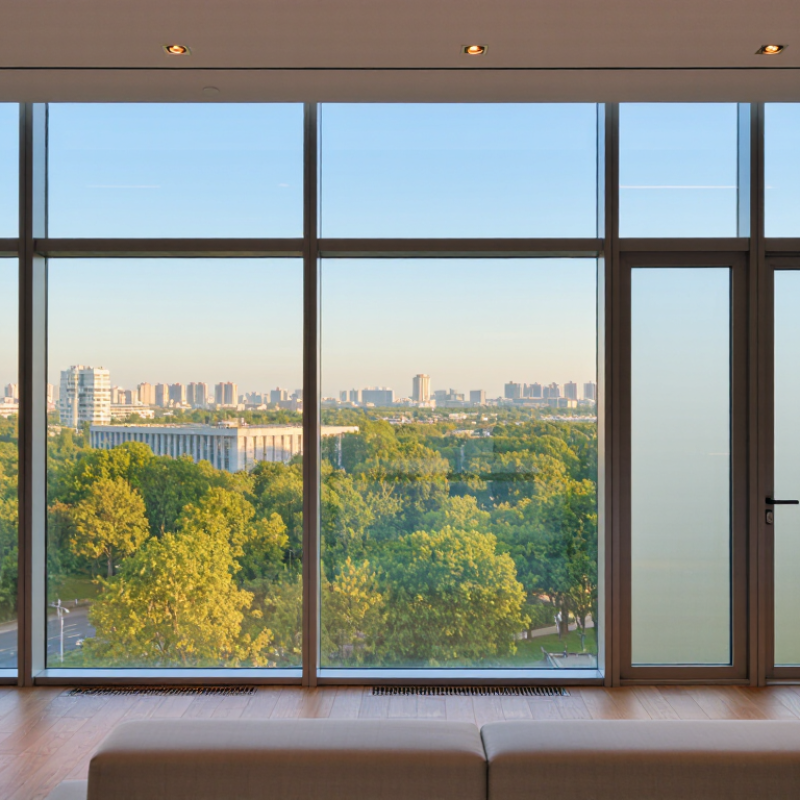
What Is a Glass Window and What Types Are Available?

What Defines a Glass Window and Its Main Components?

A glass window is an assembled opening that brings daylight and views into a building while helping separate indoor and outdoor conditions. Its main component is the glazing: one or more panes held within a frame. The frame, commonly made from wood, metal, or vinyl, supports the glass and attaches to the wall. A window is more than its visible pane. That distinction matters.

Seals around the glazing and frame help limit drafts and water entry. Spacers may separate multiple panes in insulated units, while locks, hinges, and handles allow opening and secure closure. Some windows also include grids, called muntins, that divide the glass visually. Fixed windows do not open; casement and sliding styles do. Small parts matter.

Tips: Look closely at the corners and edges for gaps or damaged seals. Check that an opening sash moves smoothly and closes firmly. If condensation appears between sealed panes, the insulated unit may have lost its seal; a qualified window professional can assess it. A little uncertainty is normal: symptoms can have more than one cause.

How Glass Windows Are Made and How They Work

A glass window starts with silica sand, soda ash, and limestone melted in a furnace at roughly 1,500°C. In the float process, molten glass spreads across a bath of molten tin, forming a smooth, even sheet. It then cools gradually in an annealing lehr, which reduces internal stress before the glass is cut and inspected. Small flaws matter: uneven edges can complicate fitting and weaken a finished unit.

For an insulated window, manufacturers place two or more panes around a sealed cavity, using spacers to keep them apart. The cavity may contain air or an insulating gas. Low-emissivity coatings reflect some radiant heat while still allowing visible light through. Together, the panes, cavity, coating, frame, and seals affect how heat moves by conduction, convection, and radiation. It is a system, not just a sheet of glass.

The U.S. Department of Energy’s Energy Saver guidance estimates that heat gain and loss through windows account for 25–30% of residential heating and cooling energy use. Performance depends on climate, installation, and window condition, so a high-performing unit can still disappoint if its seals leak. That detail is easy to overlook. Condensation between panes can also indicate a failed seal, though surface condensation may have other causes. A window’s labels and test ratings help compare performance, but they cannot replace careful fitting.

What Types of Glass Are Used in Windows?

Window glass is chosen for more than a clear view. It can help manage heat, reduce noise, or limit injury if breakage occurs. The right option depends on the window’s location and the conditions it faces.

Annealed glass is ordinary flat glass, often used where impact risk is low. It can crack into sharp pieces, so it may not suit every setting.

Tempered glass is heat-treated for strength and breaks into smaller, less jagged fragments. It is often used in doors and near floor level. It breaks differently.

Laminated glass holds together when cracked because a plastic layer sits between glass sheets. That can help keep a damaged pane in place, though replacement may be less straightforward.

Insulated glass units use two or more panes separated by a sealed gap. The gap slows heat transfer and can soften outside noise, but a failed seal may cause fogging between panes.

Low-emissivity coatings reflect some heat while allowing daylight through. Tinted glass can cut glare, but it may also darken a room and change how colors look. These features can be combined, such as low-E coating in an insulated unit.

More layers are not automatically better; climate, frame quality, and installation all affect performance. I would not choose by glass type alone. The details matter.

What Window Styles and Configurations Are Available?

Window style describes how a window opens, while configuration refers to its layout and glass arrangement. A fixed window does not open, making it useful where daylight and a clear view matter more than ventilation. Casement windows swing outward on hinges and can catch breezes; sliding windows move horizontally and need clear wall space nearby. Double-hung windows have two movable sashes, which can help regulate airflow from both the top and bottom.

Awning windows hinge at the top and open outward, often allowing ventilation during light rain. Bay and bow windows project beyond the exterior wall, creating a wider interior sill and a more prominent view. They also need careful support and weather sealing. The details matter. A style that looks right on a drawing may feel awkward beside a sink or behind curtains.

Configurations include single, paired, and grouped windows, as well as units with one or more glass panes. Double- or triple-pane glass can improve insulation, though performance depends on the frame, seals, and installation too. For example, a large picture window beside a smaller casement can combine an open view with fresh air. Check how each sash operates, where furniture will sit, and how the room is used. Window terminology can vary, so confirm the opening direction and measurements before ordering.

How to Choose a Glass Window for Different Needs?

Choosing a glass window starts with the room’s main need: warmth, quiet, privacy, or safety. For a bedroom facing a busy street, double glazing can reduce heat loss and soften outside noise. Low-emissivity coatings may help limit heat transfer, but their performance depends on the whole window, including its frame and installation. A sunny living room may benefit from solar-control glass to reduce glare and overheating. For bathrooms, frosted or textured glass admits daylight while obscuring views.

Safety matters near doors and in low windows. Tempered glass is designed to break into smaller pieces, while laminated glass holds fragments together. Ask a qualified installer which option suits the location and existing frame. Measure the opening carefully. A poor fit can undermine even good glazing, and replacement work may reveal damp or damaged trim. It is easy to compare glass alone and overlook those details.

Tips: Note where drafts, glare, or noise occur at different times of day. Compare whole-window ratings, not just glass descriptions. Check that the chosen glass suits the frame and room use. If privacy is the priority, test a sample in daylight; some finishes look different indoors. No option solves every problem.