























Choosing the best Outdoor Floor is not simply a style decision. It affects safety, drainage, maintenance, comfort, and long-term project value. A patio beside a pool faces different demands than a covered balcony or a busy restaurant terrace. Sun, rain, frost, furniture, and muddy shoes all leave evidence.
Industry research supports this practical approach. Houzz’s 2024 U.S. Outdoor Trends Study shows that homeowners continue investing in more functional outdoor living areas. Its findings highlight upgraded patios, seating zones, lighting, and weather-ready features. The American Society of Landscape Architects also consistently identifies outdoor rooms as important residential design priorities. Meanwhile, market research from Grand View Research and The Freedonia Group indicates continued demand for decking, pavers, and other exterior surface products. These reports reveal market direction, but they do not choose a material for your site.
Performance evidence matters more than attractive product photos. Porcelain pavers may offer low water absorption and easy cleaning. Natural stone can provide distinctive texture, but it may need sealing. Composite decking reduces routine staining, yet its surface can become hot under strong sunlight. Tile selection should consider ANSI A326.3 testing for dynamic coefficient of friction. Decking systems should be reviewed against relevant ASTM performance standards. Small details matter.
I would still test samples outdoors. A brochure cannot show glare after rain. It cannot reveal how a surface feels under bare feet. Budget estimates can also miss sub-base preparation, drainage, edge restraints, and replacement costs. The best Outdoor Floor balances appearance, climate, traffic, installation quality, and realistic maintenance expectations. Sometimes the most durable choice is not the most beautiful one. That is worth reconsidering.
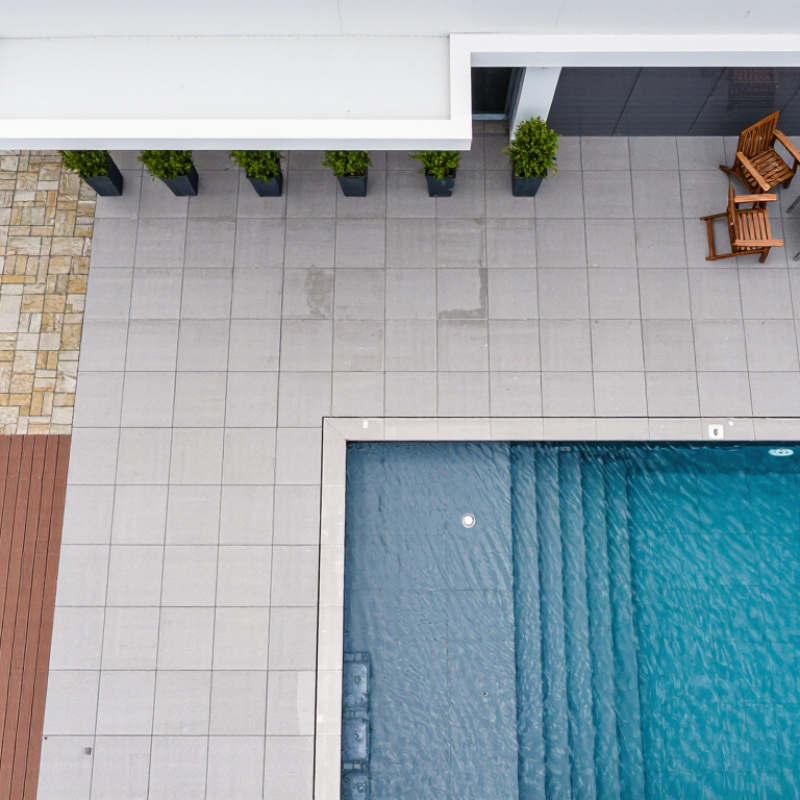
Before comparing outdoor flooring, define how the space will be used. A quiet patio needs comfort under bare feet; a busy walkway needs reliable traction, drainage, and resistance to abrasion. For a poolside area, consider wet-foot slip resistance and how quickly water drains. For a dining space, think about moving chairs, dropped food, and frequent cleaning. Small details matter.
Water management deserves attention early. The U.S. Environmental Protection Agency’s guidance on urban runoff identifies stream impacts at roughly 10% impervious cover in a watershed, with more severe effects as cover increases. This is not a flooring-selection threshold for one patio, but it highlights why runoff deserves planning. Compare the surface’s permeability, slope, and connection to drains before choosing a material. Also check local rainfall, freeze-thaw exposure, and expected foot traffic. A surface that performs well in a dry climate may become slick or damaged in a wet, cold one.
Write down the demands, not just the look. Estimate daily use, furniture loads, cleaning frequency, and exposure to sun or standing water. Then compare product test data and installation requirements against those conditions. ASTM test methods can help assess properties such as slip resistance, but test results depend on the method and surface condition. Ask for documentation. A sample underfoot is useful, though one small sample cannot show how a full installation will drain or age. I have seen that overlooked detail become an expensive rethink.
Compare common outdoor flooring options against practical priorities. Scores are indicative planning ratings from 1 (low) to 5 (high); actual performance varies by product, finish, climate, and installation.
Use these ratings as a starting point: check product specifications for wet slip resistance, drainage, surface temperature, durability, and maintenance needs before choosing.
Outdoor flooring must handle water, sunlight, temperature swings, and foot traffic. Concrete is durable and easy to shape, but it can feel hard underfoot and may crack if the base shifts. Its environmental cost also deserves attention: Chatham House’s 2018 report, Making Concrete Change, estimates cement production causes about 8% of global carbon dioxide emissions. That figure concerns cement, not every concrete slab, but it is worth considering when comparing materials.
Natural stone offers strong wear resistance and a distinct, irregular surface. Check its texture when wet; polished stone can become slippery. Timber feels warmer under bare feet, though it needs drainage, cleaning, and periodic maintenance. The USDA Forest Products Laboratory’s Wood Handbook explains how wood exchanges moisture with its surroundings. In practice, that movement can mean seasonal swelling or gaps. It’s easy to overlook. Composite boards often need less upkeep than timber, but can become hot in direct sun. Tile provides many finishes, yet frost resistance and installation quality matter outdoors. Small details count.
Compare slip resistance, drainage, heat retention, maintenance, and expected service life for your site. Ask for test data tied to the exact product and finish, rather than relying on broad material claims. A shaded, damp patio needs different priorities from a sunny path. And real conditions can surprise you.
Outdoor flooring should match the conditions underfoot, not just the look in a sample photo. Start by checking your local weather patterns. Frequent freeze-thaw cycles can stress porous materials, while strong sun may heat dark surfaces and fade some finishes. In wet climates, choose a surface with reliable grip when damp. Ask for a sample and test it outside after rain; showroom lighting tells you little about real performance.
Drainage matters just as much as material. Watch where water collects after a storm, and note whether soil slopes toward the house. A well-draining base and slight outward pitch help prevent puddles and moisture damage. The existing surface also deserves a close look. Loose pavers, cracked concrete, tree roots, and uneven ground can affect installation and safety. I have seen small low spots become persistent puddles, though the cause is not always obvious until heavy rain.
Tips: Pour a bucket of water over the planned area and observe where it flows. Check the surface at different times of day, and feel how hot it gets in direct sun. A quick inspection can miss hidden issues, so be ready to reconsider your first choice.
| Flooring Type | Climate Suitability | Drainage Needs | Surface and Installation Conditions | Maintenance and Key Considerations |
|---|---|---|---|---|
| Concrete pavers | Suitable for many climates. In freeze-thaw regions, select pavers rated for local conditions and install a stable, well-drained base. | Use a permeable joint system where appropriate, or slope the paved area to direct water away from buildings. | Requires excavation and a compacted aggregate base. Can be installed over soil; individual units are replaceable if settlement occurs. | Periodic joint-sand replacement may be needed. Surface can become slippery with algae when damp, depending on texture and upkeep. |
| Natural stone | Performance varies by stone type. Choose material suitable for local temperature changes and outdoor exposure. | Provide a free-draining base and suitable slope. Avoid trapping water beneath the stone, especially in freezing climates. | Needs a firm, even base and careful setting. Some stone types require a mortar bed over a sound concrete slab. | Sealing may be recommended for some stones. Porosity, surface texture, and color can vary between pieces. |
| Exterior porcelain tile | Choose tile specifically rated for outdoor use and the expected temperature range. A slip-resistant finish is important in wet areas. | Requires effective surface drainage and an installation system designed for exterior exposure; standing water can damage the assembly. | Best installed over a rigid, stable substrate. The slab or base must be properly prepared, and movement joints should be planned. | Generally easy to clean. Correct exterior-rated tile, setting materials, and installation are essential to reduce cracking or debonding. |
| Wood decking | Can be used in varied climates, but moisture, sun exposure, and temperature swings affect movement and service life. | Deck boards need gaps for water to drain and airflow beneath the deck. Keep the framing from remaining wet. | Requires a structurally sound frame. Ground-level decks need careful detailing to maintain ventilation and avoid soil contact. | Needs periodic cleaning and may require a suitable finish. Boards can weather, splinter, or change color over time. |
| Composite decking | Designed for outdoor exposure, but surface temperature and expansion vary by product and color. Follow the specified climate and installation guidance. | Allow water to drain through board gaps and provide airflow below. Avoid blocking drainage at the deck perimeter. | Requires a compatible, level supporting frame and the specified fastening system. Board spacing must allow for expansion and contraction. | Usually needs routine washing rather than staining. Can become hot in direct sun; check surface temperature expectations for the site. |
| Gravel or crushed stone | Works in many climates when the aggregate and base are suited to local conditions. Loose material may shift during heavy rain or freeze-thaw cycles. | Often drains well through the surface, but grading and a suitable base are still needed to prevent runoff, erosion, or ponding. | Requires soil preparation, compaction, and edge restraint. A separation layer may help limit mixing with the underlying soil. | May need raking and occasional replenishment. Less suitable for smooth wheelchair access or areas where loose stone can migrate. |
| Poured concrete | Suitable for many outdoor uses when designed for local weather. Freeze-thaw areas may require appropriate concrete mix and construction details. | Grade the slab to move water away from structures. Plan drainage before pouring; water cannot drain through an intact slab. | Needs a properly prepared, compacted base and control joints. Existing soil movement or inadequate preparation can contribute to cracking. | Durable, but cracks can occur. Broom-textured or otherwise slip-conscious finishes are useful where the surface may get wet. |
How to Choose the Best Outdoor Flooring for Your Project?
Installation affects how outdoor flooring feels underfoot and how well it lasts. Pavers need a stable, well-drained base; without one, they can shift after heavy rain or freeze-thaw cycles. Deck boards require sound framing, suitable fasteners, and space for water to drain. Tile needs a substrate and setting system rated for exterior exposure. Check the installation instructions before buying. A material that looks simple to lay may need careful cutting around drains and steps. Measure twice. Poor edge details can invite water beneath the surface.
Safety deserves equal attention. The National Floor Safety Institute estimates that falls lead to more than eight million U.S. emergency-room visits annually. That figure covers falls broadly, not outdoor flooring alone, but it underlines why traction and drainage matter.
Ask suppliers for test data on wet-surface slip resistance, and compare results using the same test method. Keep transitions flush where possible; a raised edge can catch a shoe.
Maintenance also varies: textured surfaces may grip well but hold dirt, while timber can need periodic cleaning and finish renewal. Be honest about your routine. If nobody will scrub narrow joints, choose a surface that is easier to rinse. Even good choices need occasional inspection.
Choosing outdoor flooring is a budget decision that continues after installation. Compare the full cost: materials, site preparation, drainage, installation, and maintenance. A low purchase price can hide future work. The 2024 Cost vs. Value Report lists average national costs of $17,615 for a wood deck addition and $25,096 for a composite deck addition. These are deck-project figures, not direct flooring prices, but they show how material choices can shift upfront spending. Local labor, climate, and project size will change the numbers.
Think about the surface underfoot. A shaded patio may suit timber, while a sunny, frequently wet area needs careful attention to heat, traction, and drainage. Concrete can be economical, but cracking or surface repairs may add costs. Pavers allow individual units to be replaced, though a stable base matters. Little details count. Ask contractors for itemized estimates and maintenance requirements, then compare costs over the years you expect to use the space. The National Association of Home Builders’ 2024 What Home Buyers Really Want report identifies outdoor living space among buyers’ desired features; it does not promise a specific return on flooring. Choose for daily use, not resale claims alone. I might still underestimate upkeep. That is worth checking.


Paul Downs Cabinetmakers
401 E. 4th St. Bridgeport, PA 19405
