Innovative Meeting Room Ideas for 2026 Workplace Design?
The future of workplace design is rapidly evolving, with meeting room ideas becoming a focal point for organizations. As companies adapt to hybrid work models, designing effective meeting spaces is crucial for collaboration. According to a recent report by Global Workplace Analytics, 30% of employees now work remotely at least part of the time. This shift increases the need for innovative meeting room designs that accommodate both in-person and virtual interactions.
Recent studies show that well-designed meeting spaces can enhance productivity by 20%. These rooms must evolve beyond traditional layouts, integrating technology, comfort, and flexibility. A survey by Future Forum reveals that 76% of employees prefer companies that prioritize a great workplace environment. This highlights the importance of carefully considering meeting room ideas that foster engagement and creativity.
While many companies invest in cutting-edge technology, it’s essential to reflect on practical aspects. For instance, how can we ensure that the layout is inclusive? Are the spaces adaptable for different team sizes? Balancing aesthetics and functionality is a challenge worth exploring. As we approach 2026, organizations must rethink their meeting room strategies to create a more vibrant and effective workspace.
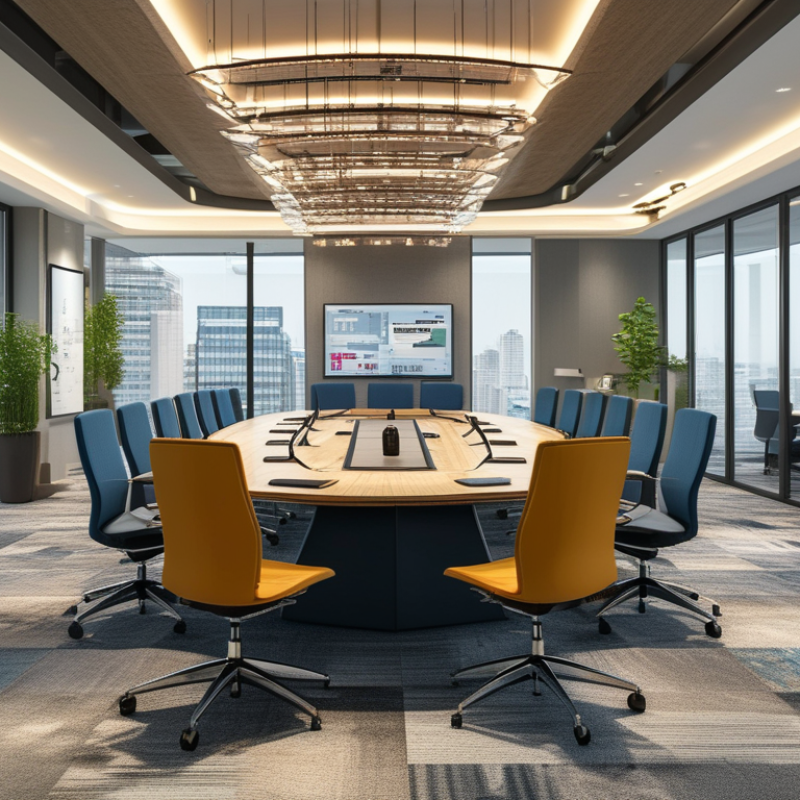
Emerging Trends in Workplace Design for Collaborative Spaces
The workplace design landscape is rapidly evolving. Collaborative spaces are becoming essential for modern offices. These spaces should not only enhance teamwork but also foster creativity.
Emerging trends focus on flexibility and flow. Modular furniture allows for easy reconfiguration. This adaptability encourages spontaneous interactions.
Natural light plays a pivotal role in creating an inviting atmosphere. Biophilic design, which incorporates greenery, boosts well-being and productivity. Many organizations are embracing open layouts.
However, this can lead to noise and distractions, which need addressing.
Technology integration is key in these environments. Interactive screens and wireless connectivity facilitate seamless collaboration. However, dependency on tech can be risky; tech failures can disrupt important meetings.
Balancing technology and human connection is crucial. Quiet zones within collaborative spaces offer retreat for focused work. Therefore, while designing for collaboration, it’s important to consider individual needs too.
Integration of Technology in Future Meeting Room Concepts
The integration of technology in future meeting room concepts is transforming workplace design.
According to a 2022 report by the International Workplace Group, 85% of business leaders recognize technology as crucial for collaboration.
Holographic displays and virtual reality can create immersive meeting experiences, making remote participants feel present, even when miles away.
Tips: Consider using interactive screens. They allow for real-time brainstorming. Be open to feedback about tech usability.
Not all employees may adapt quickly. Remember that while technology enhances collaboration, it can also create distractions if not integrated thoughtfully.
The push for hybrid models is evident. As stated by Gartner, 74% of CFOs plan to shift to a hybrid workforce.
This change necessitates meeting rooms equipped with smart cameras and AI-enabled tools.
These features ensure that everyone, whether remote or in-person, can participate equally. However, the reliance on tech means that organizations must continuously update systems to avoid obsolescence.
Tips: Schedule regular training sessions for staff. This maintains their comfort with new tech. Encourage a culture of experimentation.
Not every tool will succeed, and that's a part of growth. Balancing tradition with innovation is essential yet challenging in today's evolving work environment.
Biophilic Design: Creating Inviting and Productive Environments
Biophilic design is more than a trend; it's a necessity. Studies show that workplaces incorporating natural elements see up to a 15% increase in employee productivity. Integrating plants, natural light, and organic materials creates a more inviting environment. These elements not only enhance aesthetics but also improve overall well-being. The World Green Building Council reported that green workplaces can boost employee satisfaction and retention.
In a recent survey, 78% of employees expressed a preference for environments that connect them to nature. Features like green walls and large windows can blur the line between indoors and outdoors. This integration helps reduce stress and increase creative thinking. However, not all designs are successful. Poorly maintained plants or excessive clutter can detract from the intended benefits.
Creating a biophilic space requires a thoughtful approach. Proper maintenance and planning are critical to ensure these elements work harmoniously. In some cases, organizations find it challenging to budget for high-quality materials. Identifying cost-effective alternatives while ensuring the design remains impactful can be an ongoing struggle.
Balancing functionality with aesthetic appeal is key to making biophilic design truly effective.
Flexibility and Adaptability in Meeting Room Layouts for 2026
As workplaces evolve, meeting room designs must prioritize flexibility and adaptability. According to a recent report by the Global Workspace Analytics, 70% of employees believe that the layout of meeting spaces directly affects collaboration and productivity. This highlights the critical need for versatile meeting environments.
Futuristic meeting rooms may incorporate movable partitions and modular furniture. This allows for quick reconfiguration to accommodate various group sizes and activities. Screen technologies and collaborative tools must also be considered. Many employees now prefer spaces that support digital interaction, as noted by a study from Forbes, which reported that 65% of teams utilize digital platforms for brainstorming and decision-making.
However, adapting to these demands poses challenges. Some organizations struggle with balancing open spaces and privacy. Creating adaptable areas requires investment and insight. Poorly designed spaces can lead to distractions, undermining the very adaptability these rooms aim to achieve. Addressing these shortcomings is essential for a truly innovative workplace by 2026.
Innovative Meeting Room Ideas for 2026 Workplace Design
| Meeting Room Type |
Design Feature |
Flexibility Aspect |
Capacity |
Tech Integration |
| Collaborative Hub |
Movable Furniture |
Reconfigurable Layouts |
10-20 People |
Wireless Presentation Systems |
| Brainstorming Room |
Whiteboard Walls |
Multi-purpose Use |
5-15 People |
Interactive Displays |
| Virtual Meeting Room |
Soundproofing |
Remote Accessibility |
Up to 30 People |
High-Quality Video Conferencing |
| Relaxation Meeting Space |
Casual Seating |
Adaptable Environment |
Up to 12 People |
Ambient Smart Lighting |
| Training and Workshop Room |
Flexible Layouts |
Multiple Setup Options |
20-40 People |
VR Training Tools |
Sustainability Practices in Meeting Room Design for Modern Offices
Sustainability plays a crucial role in the design of modern meeting rooms. In 2026, offices will embrace innovative ideas that focus on eco-friendly materials. Recycled wood and low-VOC paints will dominate the interiors. These choices not only reduce environmental impact but also create a healthier workspace. Big windows will be essential, bringing in natural light and minimizing the need for artificial lighting.
Incorporating flexible furniture enhances functionality in meeting rooms. Moveable tables and chairs can adapt to group sizes and styles. This flexibility can lead to better collaboration. However, there are challenges in maintaining a cohesive look with varied furniture. Designers must strike a balance between aesthetics and practicality. Sound-absorbing materials will also gain importance, as open offices can lead to distractions.
Emphasizing biophilic design will improve the atmosphere. Integrating plant life into meeting rooms fosters well-being and creativity. Natural elements will help reduce stress for employees. Yet, regular maintenance of plants can be a challenge. As firms prioritize sustainability, they must address these practical concerns while pushing for innovative design. These choices reflect a deeper commitment to the planet and employee health.