




















Top 10 Inspiring Workspace Design Ideas for Global Sourcing

Top 10 Inspiring Workspace Design Ideas for Global Sourcing

Global sourcing depends on trust, speed, and clear communication across borders. The right workspace can support all three. An inspiring workspace design gives sourcing teams practical places to compare materials, review samples, and solve supplier questions. It also helps remote partners feel included during video meetings.

Workplace psychologist Dr. Craig Knight has said, “The more control people have over their environment, the happier and more motivated they are.” This principle matters in global sourcing. Teams may need quiet booths for supplier calls, flexible tables for product reviews, and bright areas for collaborative planning. A sample wall can display fabric, packaging, finishes, and quality notes. Nearby storage prevents important materials from disappearing into crowded cabinets.

Small details matter.

Good lighting reduces eye strain. Adjustable chairs support long negotiation sessions. Acoustic panels make different accents easier to understand. Digital screens can show delivery timelines, supplier maps, and compliance documents without covering every wall.

Yet no layout solves every workplace problem. A beautiful office may still encourage interruption, waste energy, or exclude remote colleagues. Some design ideas will fail in practice. Teams should observe how people actually work, then adjust the space. Regional preferences, accessibility needs, and responsible material choices also require careful review.

This guide explores ten inspiring workspace design ideas for global sourcing. Each idea connects appearance with measurable usefulness. The goal is not a perfect office. It is a more focused, adaptable, and human working environment.

Top 10 Inspiring Workspace Design Ideas for Global Sourcing

What Makes a Global Sourcing Workspace Inspiring

An inspiring global sourcing workspace does more than look polished. It helps teams make better decisions across time zones, cultures, and product categories. In my experience, the strongest spaces reduce friction before people notice it. A shared sourcing wall can display supplier regions, lead times, quality risks, and open questions. Use clear color codes. Keep sensitive commercial data access-controlled. This balance supports trust and responsible operations.

Natural light matters, but function matters more. Place sample tables near strong task lighting. Add labeled trays for materials, approved samples, and items needing review. A quiet booth helps buyers speak with overseas partners without background noise. Screens showing local times prevent careless scheduling. Small details carry weight. Yet the room should not feel sterile. Local textures, maps, and neutral cultural references can create curiosity without turning geography into decoration.

Reliable workspaces also make disagreement visible. A review board can record who checked a specification, when it changed, and why. That traceability supports quality control and honest supplier conversations. Leave space for workshops, not just desks. Teams can compare packaging samples, inspect stitching, or test a product under ordinary lighting. My own layouts have sometimes offered too many tools and too little breathing room. That mistake taught me to remove attractive features that slow decisions. I now leave one wall partly blank for questions, corrections, and decisions still taking shape.


Flexible Layouts for Cross-Border Collaboration

Top 10 Inspiring Workspace Design Ideas for Global Sourcing

Cross-border sourcing teams need spaces that adapt quickly. A fixed office rarely supports supplier calls, sample reviews, and contract discussions equally well. The International Labour Organization reports that hybrid work can improve flexibility, but it also increases coordination challenges. Design must respond to both realities.

Use movable tables, sliding partitions, and modular power units. A six-person sourcing workshop can become two private video rooms within minutes. Place acoustic panels near collaboration zones. Add large displays with shared calendars, live cost sheets, and product samples. Small details matter. A labeled sample wall saves repeated explanations across time zones.

Gallup’s State of the Global Workplace 2024 reports that only 23% of employees are engaged worldwide. Flexible layouts cannot solve every leadership problem. Still, they can reduce friction and support clearer participation. Include quiet booths for concentrated supplier analysis, open tables for negotiation, and a reliable room for multilingual meetings. I have seen teams overvalue beautiful furniture and undervalue cable access. That mistake becomes obvious during a rushed factory call. Flexible design also needs review: measure room usage, meeting quality, and employee feedback every quarter. Some layouts will fail. That is useful evidence, not wasted investment.

Technology and Tools for Efficient Sourcing Workflows

An effective global sourcing workspace should make decisions visible, fast, and traceable.

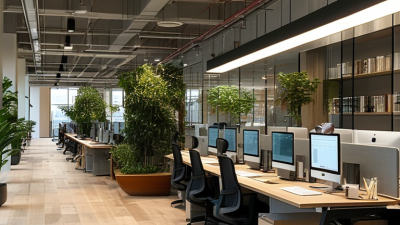
Dual monitors help teams compare supplier quotations, specifications, and delivery schedules without constant window switching. One screen can display a live project board, while the other supports research and video meetings. Shared dashboards keep buyers, quality specialists, and logistics teams aligned across time zones. Digital folders should follow consistent naming rules and approval stages. Small details matter.

Cloud-based tools support secure document access during supplier evaluations and factory discussions. Automated alerts can flag changing prices, overdue samples, or missing compliance documents. Optical scanning reduces manual entry from invoices and inspection records.

Translation tools can clarify technical terms, but human review remains essential. I have found that automation improves speed, not judgment. A supplier’s unusual silence still deserves a direct question. Our first dashboard was too crowded, so we removed decorative charts and kept only decision-critical data.

Tips:

Create a quiet video-call corner with clear lighting and a reliable microphone. Use color-coded task statuses, but define each color in writing. Keep a backup communication method for unstable connections. Review access permissions every month. Test your workflow with one small sourcing project before expanding it globally. Mistakes will appear. Record them, discuss them, and improve the process.

Cultural Design Elements in International Workspaces

Top 10 Inspiring Workspace Design Ideas for Global Sourcing

Cultural Design Elements in International Workspaces

Global sourcing teams work across time zones, languages, and negotiation styles. Their workspace should reflect that complexity. Use locally sourced timber, woven textures, regional artwork, and familiar seating patterns. These details create recognition without turning culture into decoration. A circular meeting table can support equal participation. A quiet booth can respect cultures that prefer private discussion. Flexible lighting also helps teams adapt during long supplier calls.

The World Green Building Council’s Better Places for People report links healthier indoor environments with productivity gains of up to 11%. Natural daylight, fresh air, indoor plants, and low-glare screens matter. Add acoustic panels inspired by local craft patterns. They soften noise and provide visual identity. Include small hospitality zones for tea, coffee, or regional snacks. Food can open conversations, but assumptions can exclude people.

Designers should test ideas with local employees before installation. I have seen beautiful cultural walls become ignored backgrounds. That failure matters. Ask employees which symbols feel meaningful, and which feel imposed. Provide multilingual wayfinding, adjustable desks, prayer or reflection rooms, and accessible circulation. The International Facility Management Association’s workplace research consistently emphasizes adaptability and user experience. A global sourcing office needs both. Cultural design works best when it remains useful, imperfect, and open to revision.

Top 10 Inspiring Workspace Design Ideas for Global Sourcing - Cultural Design Elements in International Workspaces
Rank Workspace Design Idea Cultural Design Element Global Application Recommended Spatial Features Practical Planning Metric Primary User Benefit
1 Layered Privacy Zones Collective interaction Personal focus Use a gradual transition from open collaboration areas to semi-private and fully private rooms, supporting both highly social and more reserved workplace behaviors. Reception lounge, shared project tables, acoustic booths, enclosed focus rooms, and quiet work areas arranged as a clear privacy gradient. Define at least three privacy levels and provide bookable rooms for confidential conversations and focused work. Improves choice, concentration, confidentiality, and comfort for multicultural teams.
2 Multifunctional Community Hub Hospitality Shared meals Adapt the central social space to support informal meetings, meals, cultural celebrations, supplier presentations, and learning activities. Large communal table, movable seating, presentation wall, refreshment point, durable surfaces, and flexible power access. Allow furniture to be rearranged without specialist tools and maintain clear circulation around the gathering zone. Encourages relationship building and creates a neutral setting for international collaboration.
3 Quiet, Reflection, and Prayer Room Reflection Religious inclusion Provide a neutral room that can support prayer, meditation, recovery from sensory overload, or private decompression without assigning a single religious identity. Low visual stimulation, dimmable lighting, washable flooring, storage for personal items, movable chairs, and a nearby hand-washing facility where feasible. Locate the room away from noisy equipment and provide clear, non-religious signage with equitable access rules. Supports inclusion, wellbeing, and respectful participation across different cultural practices.
4 Local Material Storytelling Place identity Craft tradition Use locally appropriate materials, patterns, textures, and craft references while avoiding decorative symbols that could be misinterpreted or culturally restricted. Regional wood or stone, documented artisan techniques, responsibly sourced textiles, and curated displays explaining the origin of materials. Document material provenance, maintenance requirements, accessibility performance, and environmental declarations before specification. Builds a sense of place and gives visitors a meaningful cultural introduction to the sourcing region.
5 Biophilic Regional Landscape Nature connection Local ecology Reflect the local climate and ecology through suitable planting, daylight, natural textures, water-conscious landscaping, and views toward outdoor areas. Indoor plants selected for the climate, shaded outdoor seating, daylight access, natural materials, and landscape features that require responsible water use. Prioritize non-toxic finishes, maintainable planting, glare control, and access to daylight without compromising thermal comfort. Can support restoration, visual comfort, and a stronger connection between the workplace and its location.
6 Flexible Cross-Cultural Meeting Rooms Communication styles Hierarchy awareness Offer different meeting formats so teams can choose between formal presentations, equal-circle discussions, workshops, and one-to-one conversations. Rooms with movable tables, multiple seating orientations, writable surfaces, neutral backgrounds, adjustable lighting, and reliable hybrid-meeting equipment. Provide at least two seating configurations per room and maintain accessible sightlines to presentation surfaces. Reduces communication barriers and accommodates varied expectations about formality, participation, and status.
7 Inclusive Ergonomic Neighborhoods Multigenerational use Accessibility Combine adjustable workstations, varied seating heights, accessible routes, and clear circulation to support different bodies, ages, and working preferences. Height-adjustable desks, supportive chairs, accessible touchdown spaces, resting points, non-slip flooring, and unobstructed routes. Use a minimum 1.2 m clear route wherever practical, with final dimensions verified against local accessibility regulations. Improves independence, comfort, safety, and participation for a wider range of users.
8 Climate-Responsive Comfort Controls Regional climate Personal control Combine passive design with user-adjustable controls to address different expectations of temperature, airflow, daylight, and shading. Operable shading, zoned ventilation, ceiling fans where appropriate, thermal breakout areas, sensor-based monitoring, and controllable task lighting. Design lighting and indoor environmental quality in line with applicable standards such as ISO 8995-1 and ISO 7730, then verify locally. Supports comfort and productivity across hot, cold, humid, dry, and mixed-climate locations.
9 Multilingual and Visual Wayfinding Language diversity Orientation Use plain language, universally recognizable icons, color contrast, and consistent visual cues instead of relying on one language alone. High-contrast signs, floor or zone colors, pictograms, tactile information where required, bilingual or multilingual labels, and consistent room numbering. Maintain readable contrast and verify sign placement, type size, and tactile requirements against applicable accessibility codes. Reduces arrival stress and helps visitors navigate unfamiliar international facilities independently.
10 Visible Ethical Sourcing Gallery Transparency Supplier recognition Turn responsible procurement information into an educational workplace feature without exposing confidential commercial data or using identifiable company branding. Material samples, process diagrams, geographic maps, lifecycle information, worker-safety principles, and replaceable educational panels. Label each display with material origin, production stage, certification or verification status where applicable, and review date. Connects workspace design with responsible sourcing, learning, and informed stakeholder engagement.
Planning note: The metrics above are design-planning guidance rather than universal legal requirements. Final dimensions, lighting levels, accessibility provisions, fire safety, acoustic performance, and indoor-environment targets should be verified against the regulations and recognized standards applicable in each project location.

Sustainable Features for Modern Sourcing Offices

A modern sourcing office should make sustainability visible in daily work.

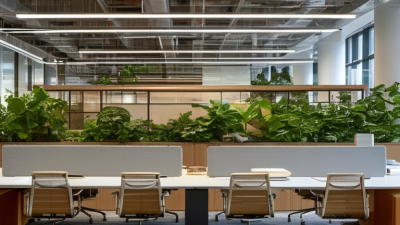
Use daylight, operable windows, low-carbon materials, recycled furniture, and sensor-controlled lighting. Add indoor plants, acoustic panels from recovered fibers, refill stations, and repairable equipment. Create shared work zones to reduce unused desks. These are practical design choices, not decorative promises.

The 2023 Global Status Report for Buildings and Construction states that buildings produced 37% of global energy-related emissions in 2022.

The Global E-waste Monitor 2024 reports 62 million tonnes of electronic waste generated in 2022, with only 22.3% formally collected and recycled.

Energy-efficient lighting, smart ventilation, and passive cooling can reduce an office’s operational burden.

Sourcing teams can respond with modular devices, longer replacement cycles, and verified take-back processes.

Let materials tell a story.

A sample library can display recycled textiles, certified timber, and low-emission finishes. Digital product passports can record origin, durability, repair options, and end-of-life routes.

A small indoor garden may improve comfort, but it cannot replace proper air monitoring. That distinction matters.

Some offices still buy sustainable furniture without checking transport emissions or maintenance needs. The flaw is uncomfortable, yet useful.

Measure energy use, waste, occupant comfort, and supplier evidence every quarter. The International Energy Agency’s Energy Efficiency 2023 analysis also emphasizes efficiency as a central route for reducing energy demand, making these workspace decisions relevant to global sourcing strategy.