





















Why Choose Decorative Art Tiles for Global Projects?

Why Choose Decorative Art Tiles for Global Projects?

Why Choose Decorative Art Tiles for Global Projects?

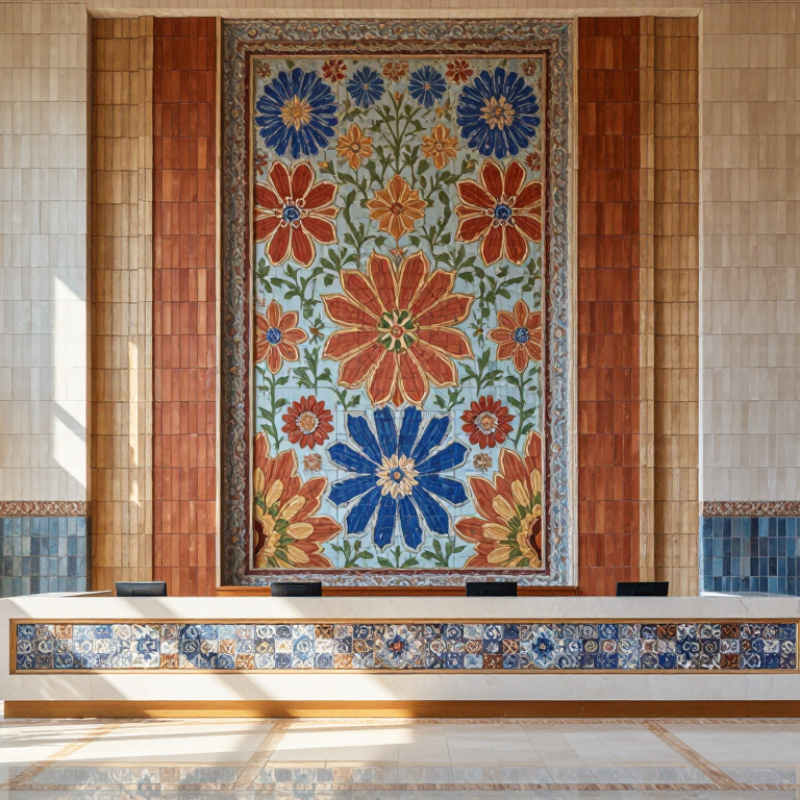
Global projects often demand more than durable surfaces. They need identity, atmosphere, and a design language that feels meaningful across cultures. Decorative Art Tiles can support these goals through color, texture, pattern, and carefully controlled craftsmanship. A patterned tile wall may welcome visitors in a hotel lobby. A hand-finished border may give a public space a memorable local character.

William Morris, a leading figure in decorative arts and the Arts and Crafts movement, said, “Have nothing in your houses that you do not know to be useful, or believe to be beautiful.” His principle remains valuable for international design teams. Decorative details should serve a purpose, not simply fill empty space. They can guide movement, mark an entrance, frame a reception desk, or create a visual connection with regional architecture.

The practical case also matters. Project teams must review tile composition, firing quality, slip resistance, cleaning needs, packaging, and installation conditions. Climate can change performance. So can shipping.

Small details matter.

Colors may appear different under strong sunlight or warm indoor lighting. Handmade variation can enrich a wall, yet it may challenge strict repetition. Designers should define acceptable variation before production begins. This is where experience becomes important. Reliable suppliers provide samples, technical data, and realistic lead times. Still, no material is perfect. Careful planning can reduce disappointment, but it cannot remove every uncertainty. This article examines how Decorative Art Tiles balance beauty, durability, cultural relevance, and responsible project decision-making worldwide.
Why Choose Decorative Art Tiles for Global Projects?

What Are Decorative Art Tiles?

Decorative art tiles are designed surfaces that combine practical protection with visual expression. Unlike plain ceramic tiles, they may feature hand-painted patterns, raised textures, geometric layouts, or carefully repeated colors. Common materials include ceramic, porcelain, glass, and natural clay. Each material changes the tile’s weight, strength, maintenance needs, and installation method.

They can shape a kitchen backsplash, hotel entrance, public lobby, or residential feature wall. In global projects, their value often comes from visual flexibility. A coastal building may use blue relief tiles, while a historic interior may need muted tones and traditional motifs.

Designers should examine samples under the project’s actual lighting. Digital images can hide surface variation.

Small details matter. Tile thickness must match adjacent finishes. Grout color can soften a pattern or make it appear sharper. Surface texture also affects cleaning, especially in kitchens and busy commercial spaces. During installation, dry layouts help reveal awkward joins before adhesive is applied. This is practical experience, not decoration alone.

Quality control should cover dimensions, color consistency, packaging, and replacement availability. Handmade tiles may contain slight differences. That character can be attractive, but it can also create ordering problems. I have found that project teams sometimes celebrate irregularity too quickly. A charming variation is not always acceptable beside a strict architectural grid. Clear samples, written specifications, and realistic maintenance plans make decorative art tiles more dependable across climates and construction teams.

How Decorative Art Tiles Support Global Design Needs

Decorative art tiles help global projects translate a design idea across different climates, cultures, and building types. Their color, texture, and scale can create a recognizable visual language without making every location identical. In project reviews, I have found that a small glazed tile sample reveals important issues early. It shows how daylight changes the surface, how grout affects contrast, and whether a pattern feels appropriate beside local materials. Designers can adapt motifs, sizes, and finishes for hotels, restaurants, public interiors, or residences. This flexibility supports local character while protecting the core design direction.

Reliable global use requires more than attractive artwork. Tile specifications should identify dimensions, slip resistance, water absorption, cleaning needs, and installation conditions. Production drawings, color references, and approved samples help teams reduce interpretation errors across languages and time zones. Packaging details matter too. Strong edge protection and clear labeling can prevent damage during long-distance transport. A qualified installer should check substrate movement, humidity, and curing time before placement. These practical steps support consistent results, although perfect color matching is not always realistic between batches. That limitation deserves honest discussion. It may encourage a better, more flexible design.

Tips: Request physical samples in the project’s actual lighting. Confirm technical data with local professionals. Keep spare tiles for future repairs.

Why Choose Decorative Art Tiles for Global Projects?

Water absorption thresholds help designers select decorative tile bodies for different global project environments.

Lower water absorption generally supports greater resistance to moisture and frost-related damage, making dense tile bodies suitable for demanding exterior, bathroom, hospitality, and public-space applications. The categories are based on ceramic tile water-absorption classifications in ISO 13006.

Reference: ISO 13006 ceramic tiles classification by water absorption.

Which Materials and Techniques Suit International Projects?

Decorative art tiles can give global projects a distinct visual identity. Yet material choice should follow climate, use, and installation conditions. Porcelain is often suitable for façades, entrances, and busy public areas. Its low water absorption supports freeze-thaw resistance when the system is properly tested. Ceramic tiles may suit protected interior walls with lighter traffic. They usually offer more flexibility in color and surface design.

Technique matters as much as the tile body. Digital printing can reproduce detailed maps, patterns, and local artwork consistently. Hand-painted surfaces create character, but shade variation requires careful approval. Relief textures add depth and improve visual interest. They may also collect dust in exposed locations. Glass mosaics work well in humid interiors, although movement joints and compatible adhesives remain essential. Natural stone offers honest variation, but its pores and weight need technical review. A beautiful sample can still fail on site.

Tips: Request a full-size mock-up before production. Check slip resistance, fire performance, water absorption, and color stability against local requirements. Confirm packing methods for long-distance transport. Keep spare tiles from each production batch. Slight variation is often acceptable, but uncontrolled variation is not. Ask installers to follow the tile and adhesive manufacturers’ instructions. Project teams sometimes focus heavily on artwork and overlook cleaning access. That mistake is easy to repeat.

Why Choose Decorative Art Tiles for Global Projects? - Which Materials and Techniques Suit International Projects?
Material and technique comparison for decorative tile specifications across climates, applications, and installation conditions
Material Key Technical Property Best Decorative Techniques Suitable Project Areas Climate and Exposure Suitability Maintenance Profile International Specification Notes
Porcelain Tile Water absorption is generally ≤0.5% for porcelain classification under ISO 13006 / EN 14411. High-definition digital printing, surface relief, structured textures, and precision cutting. Exterior façades, public interiors, hospitality areas, floors, wet rooms, and feature walls. Strong option for humid, high-traffic, and freeze–thaw regions when the product has a verified frost-resistance rating. Low maintenance; clean with neutral detergent. Grout joints still require routine care. Confirm slip resistance, frost resistance, chemical resistance, shade variation, calibration, and local installation standards.
Standard Ceramic Tile Fired clay body with absorption varying by product type; higher-absorption bodies are generally intended for interior use. Screen printing, digital decoration, hand painting, crackle glazes, and raised relief. Interior walls, backsplashes, retail displays, restaurants, residential spaces, and protected exterior areas. Well suited to dry or moderate indoor environments; exterior and frost exposure require a tested, low-absorption specification. Glazed surfaces are generally easy to clean; textured or crackle finishes may need more frequent attention. Specify body type, glaze durability, water absorption, dimensional tolerance, and intended installation location.
Glass Tile or Mosaic The glass surface is non-absorbent, but the installation system depends on adhesive, backing, joints, and substrate movement. Mosaic tessellation, translucent layering, metallic effects, gradient layouts, and digitally printed imagery. Pools, spas, bathrooms, feature walls, reception areas, illuminated installations, and curved surfaces. Suitable for humid interiors and pools when the complete system is approved for immersion; thermal shock and impact should be assessed outdoors. Simple to clean, although transparent glass can visually highlight adhesive discoloration or stained grout. Use compatible adhesives and grout; specify edge treatment, sheet alignment, joint width, slip resistance, and pool-chemical compatibility.
Terracotta Unglazed terracotta commonly has relatively high porosity and can absorb moisture; exact performance depends on firing and body composition. Hand forming, carved relief, irregular edges, engobes, oxide washes, and traditional kiln-fired finishes. Heritage interiors, warm-climate architecture, restaurant walls, courtyards, and sheltered façades. Performs best in dry or protected locations; freeze–thaw, prolonged rain, and salt exposure require specific testing and detailing. Usually needs sealing and periodic resealing; porous surfaces may show staining or efflorescence. Allow for color variation, size variation, moisture movement, breathable substrates, and mock-up approval before large-scale production.
Natural Stone Tile Performance varies significantly by stone type, porosity, mineral composition, finish, and thickness. Waterjet cutting, CNC carving, inlay, fluting, sandblasting, honing, and hand finishing. Premium lobbies, civic interiors, hotels, monuments, feature walls, and sheltered external areas. Select according to local weather, freeze–thaw exposure, salt risk, UV conditions, and chemical contact; some stones are unsuitable for aggressive environments. May require sealing; acidic cleaners can damage carbonate stones such as limestone and marble. Specify petrographic type, absorption, flexural strength, slip resistance, finish, batch control, and acceptable natural variation.
Cement-Based Encaustic Tile Hydraulic cement body with a pigmented decorative layer; porosity and curing quality vary by manufacture. Inlaid geometric patterns, layered pigments, hand pressing, polishing, and custom color composition. Interior floors, cafés, residential spaces, boutique hospitality, corridors, and decorative wall applications. Best for controlled interiors or sheltered areas; prolonged moisture, salts, and freeze–thaw require verified testing and careful detailing. Requires sealing, pH-neutral cleaning, and protection from acidic substances and abrasive chemicals. Allow for curing time, thickness variation, color variation, substrate flatness, movement joints, and sealant compatibility.
Metal Tile or Metal-Faced Tile Durability depends on the metal, coating, core, edge protection, and resistance to corrosion or galvanic interaction. Pressed relief, perforation, brushed textures, patination, laser cutting, and modular geometric patterns. Interior feature walls, elevators, retail environments, bars, reception desks, and protected decorative zones. Generally preferred for interiors; exterior, coastal, high-humidity, or chemically exposed locations require corrosion-tested specifications. Use non-abrasive cleaners and prevent prolonged contact with chlorides, acids, and incompatible metals. Specify alloy, coating system, fire performance, edge details, thermal movement, electrical considerations, and cleaning requirements.
International Selection Checklist
Verify water absorption, frost resistance, slip resistance, chemical resistance, fire performance, dimensional tolerances, UV stability, installation-system compatibility, local building regulations, and substrate movement requirements before final specification.
Technical references commonly used for tile classification and testing include ISO 13006, EN 14411, ASTM C373, and project-specific local standards. Values and performance should be confirmed against the selected product’s test documentation.

How to Evaluate Quality, Durability, and Compliance

Decorative art tiles can give global projects a strong local character. Yet visual appeal should never replace technical evaluation. Begin with documented material composition, manufacturing controls, and sample traceability. Ask for water absorption, dimensional tolerance, surface hardness, and color consistency data. Independent laboratory reports are more reliable than attractive showroom claims. I have found that checking several production batches reveals variation early. A single sample can mislead.

Durability depends on location and maintenance. For exterior walls, review freeze-thaw resistance, UV stability, thermal movement, and impact performance. Wet areas require suitable water absorption and slip resistance ratings. Floors also need abrasion testing based on expected foot traffic.

Inspect the glaze under angled light. Tiny pinholes may collect dirt. Confirm that the tile, adhesive, grout, and substrate are compatible. Poor installation can make a good tile fail. That part is often underestimated.

Compliance must be assessed for the destination country and project type. Request current declarations, safety data, test methods, and installation instructions. Check applicable building, fire, accessibility, environmental, and chemical requirements with a qualified local professional. Requirements can differ between a hotel lobby, public transit space, and private residence. Verify packaging labels and batch records before shipment. I once treated paperwork as secondary; that created avoidable delays. It is better to question incomplete evidence than accept polished language. Some projects also need replacement stock, cleaning guidance, and documented quality inspections. These practical details protect the design long after installation.

What Factors Affect Sourcing, Installation, and Maintenance?

Decorative art tiles can give global projects a distinctive visual identity, but sourcing requires more than selecting attractive patterns. Confirm clay composition, firing temperature, dimensions, color variation, and surface resistance before placing a large order. Request physical samples from different production batches. Digital images often hide uneven glaze or subtle tonal changes. Check packaging, pallet strength, export documents, and delivery schedules with experienced suppliers. Local building codes may also affect slip resistance, fire performance, and approved fixing materials.

Installation conditions strongly influence the finished appearance. Measure the substrate moisture, flatness, and movement before work begins. A small test panel can reveal problems with alignment, adhesive coverage, and grout color. Use qualified installers who understand handmade or relief surfaces. Their joints may require wider spacing than standard tiles. Plan movement joints around large areas and transitions. Never assume every wall is ready. I have seen costly delays caused by one damp surface.

Maintenance depends on location and tile performance. Kitchens, entrances, and public spaces need different cleaning routines. Specify pH-neutral cleaners and avoid abrasive pads that can dull decorative glazes. Porous tiles may need sealing, but the sealer must be compatible with the finish and local regulations. Keep spare tiles from the same batch for future repairs. They may not match perfectly. That limitation should be recorded honestly in the maintenance file. Regular inspections can identify cracked grout, loose edges, or water entry before damage spreads.