How to Create a Functional Workspace Design in 2026?
In 2026, the concept of functional workspace design is evolving rapidly. Businesses recognize that an effective workspace must adapt to employee needs and technological advancements. A well-planned design enhances productivity, collaboration, and well-being.
To create a functional workspace design, consider elements like flexible layouts and ergonomic furniture. These aspects ensure comfort and efficiency. However, it is essential to reflect on how these features align with company culture. Some designs may feel too rigid or impersonal.
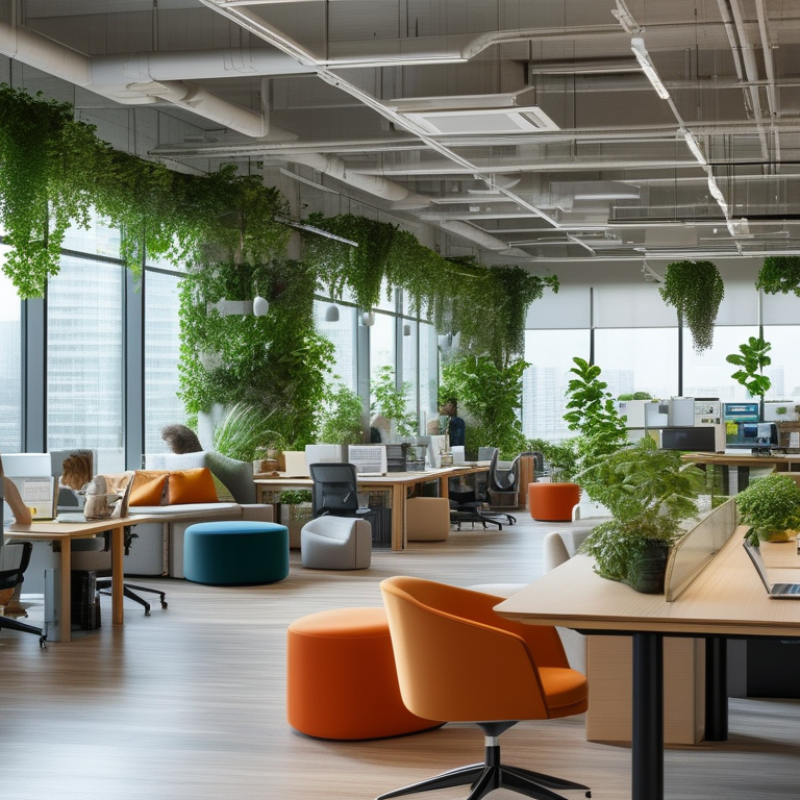
Incorporating greenery and natural light can significantly impact mood and energy levels. Still, not every workspace can achieve this. Balancing aesthetics, functionality, and sustainability requires thoughtful planning. Embracing imperfections in design allows teams to innovate, fostering a space where creativity can thrive.
Understanding the Key Principles of Functional Workspace Design in 2026
Creating a functional workspace in 2026 requires understanding key design principles that enhance productivity and well-being. One crucial element is adaptability. Modern workspaces must accommodate various tasks and styles, allowing for both collaboration and focused work. Open layouts can inspire creativity, but they may also lead to distractions. Finding a balance becomes essential.
Next, incorporating technology is vital. Seamless integration of smart tools can optimize workflow. Adjustable lighting and climate control improve comfort, yet many spaces still lack personalization. Employees often want control over their environment. This desire for autonomy can lead to higher job satisfaction.
Finally, sustainability plays a significant role. Eco-friendly materials and designs not only attract talent but also demonstrate corporate responsibility. However, many designs still overlook this aspect. As we design workspaces, we must question what impact our choices have on the planet and our community. Thoughtful design should encourage reflection and continuous improvement.
Identifying Needs: Assessing Employee and Business Requirements
Creating a functional workspace design requires a deep understanding of both employee and business needs. Research shows that 80% of employees prefer flexible workspaces that accommodate various tasks. These spaces promote collaboration and innovation, leading to increased productivity.
Understanding specific employee requirements is crucial. A study by the International Workplace Group found that 70% of employees feel more engaged when working in a well-designed environment. Factors like natural light, ergonomic furniture, and quiet zones play pivotal roles in workspace satisfaction. Companies should regularly gather feedback through surveys and focus groups to ensure these needs are consistently met.
Designing for versatility is equally vital. Different teams have distinct workflows. Open spaces may suit creative teams, while structured areas benefit those requiring focus. Companies often struggle with balancing these demands. Assessing space utilization can help identify underused areas needing redesign. Each workspace can continually evolve to fit changing roles and technology, thus enhancing overall effectiveness.
Integrating Technology: Smart Solutions for Efficient Workspaces
The integration of technology into workspace design will define functional environments in 2026. Smart solutions such as automated lighting, adjustable desks, and energy-efficient devices will enhance productivity. Imagine a workspace where the lights adjust according to the time of day, reducing eye strain. Voice-activated assistants could manage meeting schedules, creating a seamless work experience.
Collaboration tools will also play a crucial role. Virtual reality meeting rooms may bridge distances, making remote work feel more connected. However, not all solutions will be perfect from the start. Some employees might struggle with adopting new technologies. It's vital to offer training and support to ease this transition. Regular feedback mechanisms should be established to refine these tools.
Emphasizing flexibility will be crucial in 2026. Spaces must adapt to various work styles, from focused tasks to teamwork. However, it’s important to recognize that not every design will succeed on the first try. Continuous assessment and willingness to iterate will be essential for creating effective spaces. Technology should enhance, not complicate, the work environment.
Workspace Design Trends in 2026
Designing for Flexibility: Adaptable Spaces for a Dynamic Workforce
In 2026, creating adaptable workspaces is essential for accommodating a dynamic workforce. Employees seek environments that inspire creativity and collaboration. A flexible workspace can include movable walls and multipurpose furniture. These elements allow companies to adjust layouts quickly based on team size and project needs.
Designing for flexibility means incorporating various zones within one area. Quiet spaces for focused tasks can coexist with vibrant meeting areas. This contrast encourages both productivity and interaction. Incorporating natural lighting can enhance well-being but requires a careful balance. Too much sunlight can create glare and discomfort.
It's crucial to involve employees in the design process. Gathering feedback can reveal practical needs that might be overlooked. Not all designs will be perfect; some aspects may require more testing and adjustments. Reflecting on space utilization can lead to better functionality and improved employee satisfaction over time.
Incorporating Sustainability: Eco-Friendly Practices in Workspace Design
Creating an eco-friendly workspace in 2026 demands thoughtful design. Sustainable practices should be integrated at every stage. Start with materials that minimize waste. Use recycled-content furniture and non-toxic paints. Bamboo, cork, and reclaimed wood are excellent choices. They offer both beauty and durability while reducing carbon footprints.
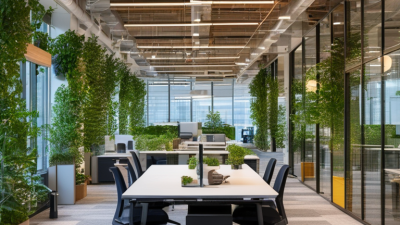
Energy efficiency is critical. Smart lighting systems can adjust according to natural light levels, saving electricity. Consider using biophilic design. Incorporate plants to improve air quality and enhance employee well-being. This approach can elevate mood but requires regular maintenance. Evaluate how much green space is feasible.
Waste management is also crucial. Implement recycling and composting stations. Educate your team about sustainable practices to foster a culture of responsibility. Sustainability in design isn't perfect. It often requires ongoing reflection and adjustments. Engaging with employees about their needs and preferences can lead to a more functional environment. The ultimate goal should be to create a workspace that supports productivity and respects the planet.