Top Office Renovation Ideas for 2026 What Are the Best Trends?
In the ever-evolving landscape of modern workplaces, fresh office renovation ideas are crucial for fostering productivity and creativity. The year 2026 promises innovative trends that push the boundaries of traditional design. As we navigate the complexities of remote work and collaboration, how can we reshape our office spaces to meet these challenges?
Office renovations today must prioritize employee well-being. Incorporating biophilic elements can enhance productivity and reduce stress. Natural light, indoor plants, and open spaces create a more inviting atmosphere. However, not every renovation captures these ideas effectively. Some designs lack functionality or do not engage employees fully.
Furthermore, technology integration is essential. Smart systems for heating, lighting, and security can make offices more efficient. Yet, relying solely on tech can create cold environments if not balanced with warmth and comfort. Striking a harmonious blend of aesthetics and utility is vital. It often requires thoughtful planning and revisiting concepts that have previously been overlooked. As we explore these office renovation ideas, a critical reflection on what truly enhances work life is necessary.
Emerging Trends in Office Design for 2026
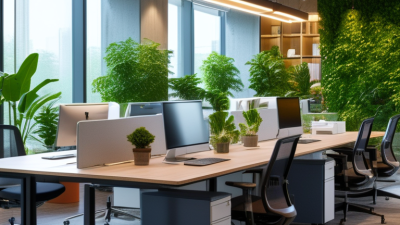
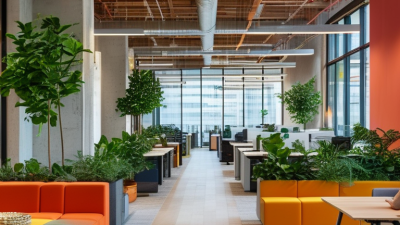
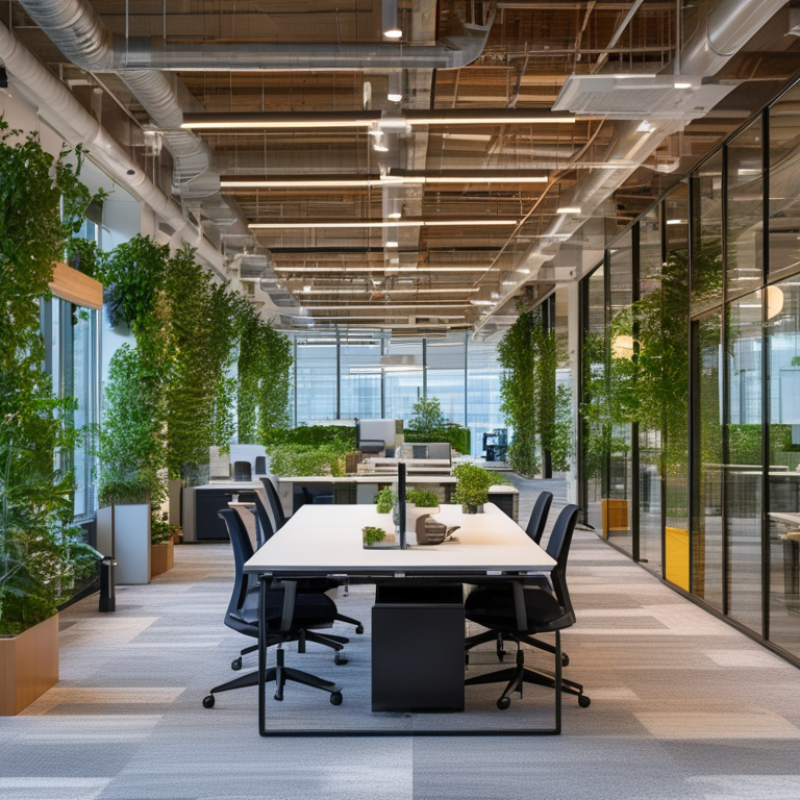
As we move into 2026, office design is evolving to create more dynamic environments. One of the standout trends is biophilic design, which emphasizes the importance of nature in the workplace. Incorporating plants and natural light can boost employee well-being and productivity. Imagine walking into a workspace filled with greenery, where large windows allow sunlight to flood in. This connection to nature is not just aesthetic; studies show it significantly enhances mood and creativity.
Another emerging trend is the integration of technology. Smart offices equipped with IoT devices can optimize energy use and enhance workflow. Consider flexible workspaces that can shift between collaborative and individual areas at the touch of a button. However, this reliance on tech raises questions about data privacy and employee comfort with constant surveillance. Balancing innovation with personal space will be crucial.
Lastly, inclusive design is gaining traction. Workspaces must accommodate diverse needs, from quiet zones for focused work to areas for social interaction. Designing for neurodiversity and physical accessibility can create a more equitable environment. But organizations often struggle with truly understanding the needs of all employees. Gathering continuous feedback from staff is vital to ensure these spaces serve everyone effectively.
Sustainable Materials: Eco-Friendly Choices for Renovations
Sustainable materials are transforming office renovations in 2026. Eco-friendly choices are not just trendy; they’re essential for a healthier workplace. Using reclaimed wood for flooring can offer a rustic charm while reducing environmental impact. Bamboo is another excellent option, known for its rapid growth and durability. Many companies are now opting for low-VOC paints and finishes to ensure better air quality.
Incorporating biophilic design is also gaining traction. This means integrating natural elements into the workspace. Green walls made of live plants boost aesthetics and improve employee well-being. Natural light should be maximized through thoughtful window placements. These changes not only create a pleasant environment but can also lead to increased productivity.
Consider the life cycle of materials when renovating. Invest in items that are not only eco-friendly but also long-lasting. Seek out local sources to minimize transportation emissions. Emphasizing durability over trendiness is crucial. Reflect on what truly benefits both the environment and your team. In the long run, sustainable renovations can yield financial savings and create a space employees are proud to work in.
Top Office Renovation Ideas for 2026
This chart illustrates the growing trend of sustainable materials used in office renovations over the years. The data reflects the increasing preference for eco-friendly choices in various office environments.
Flexible Workspaces: Creating Adaptive Office Environments
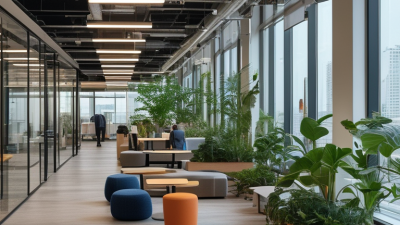
Flexible workspaces are rapidly becoming the norm in modern office design. The rise of remote work has shifted priorities. Employees now seek environments that adapt to various tasks, from collaborative sessions to focused work. According to a recent report from McKinsey, 70% of employees prefer hybrid work models. This calls for adaptive spaces that foster collaboration while providing privacy when needed.
In designing these environments, it’s crucial to integrate movable furniture and modular walls. These features allow for quick reconfiguration based on team needs. Additionally, creating quiet zones and social areas enhances productivity. A Stanford study revealed that employees in flexible workspaces reported a 15% increase in overall satisfaction. This shows that design impacts more than just aesthetics.
Consider investing in technology that supports remote collaboration, such as video conferencing tools. Incorporating elements of biophilic design—using natural light and greenery—can positively affect mental health and focus. Rethink the layout regularly to adapt to changing work patterns. Encourage employee feedback and make adjustments accordingly. Flexibility in the office enhances team dynamics and overall performance.
Top Office Renovation Ideas for 2026: What Are the Best Trends?
| Trend |
Description |
Benefits |
Implementation Costs |
| Flexible Workspaces |
Open areas with modular furniture that can be reconfigured based on team needs. |
Enhanced collaboration, space optimization, and employee satisfaction. |
$10,000 - $50,000 |
| Biophilic Design |
Incorporating natural elements like plants and daylight into the workspace. |
Improved air quality, reduced stress, and enhanced creativity. |
$5,000 - $30,000 |
| Noise-Canceling Technologies |
Utilizing soundproof materials and equipment to reduce distractions. |
Increased focus and productivity among employees. |
$2,000 - $15,000 |
| Remote Work Integration |
Designing spaces that accommodate both in-office and remote workers. |
Flexibility for employees, resulting in higher retention. |
$7,000 - $40,000 |
| Sustainability Initiatives |
Using eco-friendly materials and energy-efficient systems in office designs. |
Lower operational costs, positive brand image. |
$15,000 - $100,000 |
Incorporating Technology: Smart Solutions for Modern Offices
Technology is reshaping modern office spaces in exciting ways. Smart solutions are now integral for enhancing productivity. Imagine integrating voice-activated assistants to control lighting and temperature.
This creates a comfortable environment while saving energy. Sensors can monitor air quality, ensuring a healthier workspace for employees. These features are no longer future concepts; they’re becoming essential.
Virtual reality (VR) is also making an impact. Offices can now utilize VR for training sessions and onboarding. This method offers immersive experiences that traditional training lacks. Feedback on these practices shows that employees feel more engaged and retain information better. However, the reliance on technology raises questions about connectivity and potential tech breakdowns.
Integrating these smart solutions requires careful planning. Collaboration with IT professionals ensures that the technology aligns with organizational needs. Regular updates and maintenance are crucial to avoid disruptions. While technology promises efficiency, it also presents challenges that businesses must address. Balancing innovation and practicality is essential for a successful office design in 2026.
Wellness and Comfort: Prioritizing Employee Health in Designs
In 2026, prioritizing wellness and comfort in office designs has become essential. According to a recent study from the Global Wellness Institute, workplaces focusing on employee health report a 25% increase in productivity. Designing spaces that enhance wellbeing can greatly influence company culture. Elements such as natural light and greenery reduce stress. This fosters creativity and boosts morale. Employers are recognizing that their environment directly affects employee performance.
Flexibility in workspace design is also crucial. Open spaces alongside private areas allow for concentration and collaboration. A survey by Future Forum found that 76% of workers prefer hybrid working models. Spaces should adapt easily to changing needs. Comfortable seating and ergonomic furniture are vital to promote good posture and reduce fatigue. However, many office renovations overlook these aspects, still opting for aesthetic over functionality.
Health-promoting features, like air quality systems and circadian lighting, enhance the work environment. Yet, these investments can seem costly upfront. Companies often struggle with balancing budget constraints and employee satisfaction. A well-thought-out renovation not only improves health but can also decrease long-term healthcare costs. By prioritizing employee wellbeing, businesses set themselves up for sustainable success.