




















Top 10 Productive Work Environments for Global Buyers?

Top 10 Productive Work Environments for Global Buyers?

Global buying rarely depends on price alone. The workplace behind each decision shapes research quality, supplier communication, and risk control. A buyer working beside a bright window may compare certifications carefully. Another may check samples between warehouse calls. These ordinary details influence judgment more than many guides admit. Productive work environments give global buyers structure, reliable information, and enough quiet time to question attractive offers.

This guide explores ten settings that support international sourcing work. They include focused home offices, collaborative procurement hubs, supplier showrooms, trade-fair workstations, and well-equipped corporate teams. Each environment is assessed through practical factors, including stable internet, document security, time-zone flexibility, ergonomic comfort, and verified market data. Experience from procurement operations shows that small systems matter. A clear file-naming habit can prevent costly confusion. A shared dashboard can reveal delays before they become disputes. Still, no setting removes every challenge.

Some environments look efficient but encourage rushed decisions. Others feel informal yet create stronger supplier conversations. The best choice depends on category complexity, team size, travel demands, and approval rules. Evidence should come from documented processes, transparent vendor checks, and measurable outcomes. This approach keeps the discussion useful for professionals, not merely attractive for readers. The ranking may invite disagreement. That is healthy. Global buyers should test each environment against real tasks, from comparing factory audits to reviewing shipment schedules at 7 a.m. The goal is not a perfect office. It is a dependable place for careful, ethical, and productive work.

Top 10 Productive Work Environments for Global Buyers?

Defining Productive Work Environments for Global Buyers

A productive work environment for global buyers is more than a quiet office. It is a dependable system that supports research, comparison, communication, and careful decisions across borders. Buyers need clear product data, current pricing, shipping details, and visible compliance information. Missing details create hesitation. Sometimes, a simple unanswered question delays an order for days.

The strongest environments combine focused digital workspaces with practical human support. A buyer should compare suppliers without searching through scattered files. Shared dashboards, organized specifications, and secure communication reduce repeated work. Local time zones and language differences also matter. Flexible meeting hours show respect for international teams. However, perfect efficiency is unrealistic. Even experienced buyers can overlook a small delivery condition or misunderstand a technical term. Regular review helps correct these weaknesses.

Tips: Keep one verified product file for each purchase. Record questions, approvals, and delivery expectations in the same workspace. Use plain language and confirm important details in writing. Protect sensitive commercial information with controlled access. Set short review periods before final approval. A useful environment should also feel calm enough for judgment, not merely fast. Speed alone can hide mistakes.
Evaluating Workplace Design, Technology, and Operational Efficiency

Top 10 Productive Work Environments for Global Buyers?

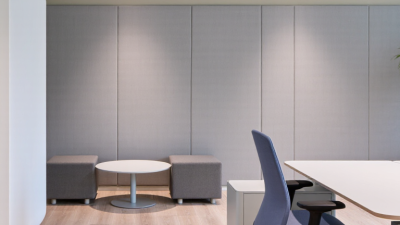
Global buyers rarely need impressive offices; they need predictable performance. Productive environments combine daylight, acoustic control, ergonomic seating, and clear circulation. The 2024 Global Workplace Survey, covering more than 14,000 employees, found that workers value choices between focused, collaborative, and social settings. This matters for procurement teams. One fixed layout cannot serve a buyer reviewing contracts, testing samples, and meeting suppliers. Quiet rooms matter. So do accessible meeting spaces.

Technology should remove friction, not decorate the ceiling. A 2023 workplace experience index reported that effective workplaces depend on reliable connectivity, simple room booking, and responsive technical support. Buyers should test Wi-Fi coverage, video latency, power access, and data permissions before signing. A dashboard can reveal unused desks, energy peaks, and maintenance delays. Yet dashboards do not create trust. Staff still need training, privacy, and human support when systems fail.

Operational efficiency appears in small moments: materials arrive labeled, visitors move safely, and invoices match purchase orders. A 2024 facilities benchmarking report identified energy and maintenance as major controllable workplace costs. Sensor-based lighting and preventive servicing can help. The calculation is not perfect. Sensors may misread occupancy, while utilization targets can pressure employees into unsuitable spaces. Global buyers should compare measured output, employee feedback, and accessibility—not only square meters or polished renderings. The best environment may look ordinary. It works consistently.

Comparing the Top Ten Environments Across Global Markets

Top 10 Productive Work Environments for Global Buyers?

Comparing the Top Ten Environments Across Global Markets

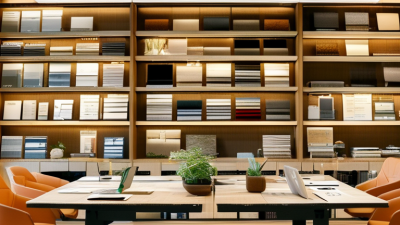
Global buyers work best in environments that match their purchasing stage. The ten strongest options include home offices, coworking spaces, supplier showrooms, trade fairs, port offices, warehouses, regional procurement centers, hotel business lounges, factory meeting rooms, and quiet research libraries. Each setting creates different advantages. A showroom supports product inspection. A warehouse reveals packaging, labeling, and handling risks. A port office helps buyers understand delivery schedules and documentation. Trade fairs offer fast market comparisons, but conversations can feel rushed.

Across mature markets, procurement centers often provide stable internet, reliable meeting rooms, and specialist staff. Emerging markets may offer stronger supplier access through factories or local trading districts. However, conditions vary by city. Noise, transport delays, weak connectivity, and language gaps can reduce productivity. My ranking is not universal. I may overvalue quiet spaces because research work needs concentration. Experienced buyers should compare measurable factors, including response time, sample accuracy, privacy, safety, and total travel cost. Keep records.

Tips: Match the environment to the task. Use showrooms for samples, factories for process checks, and warehouses for fulfillment reviews. Confirm visitor rules before arrival. Carry a printed specification sheet and a backup digital copy. Ask direct questions about materials, lead times, quality controls, and local requirements. A pleasant office means little if the supplier cannot provide consistent evidence. Recheck important claims through documents, physical samples, and independent inspection when the order carries significant risk.

Matching Work Environments with Buyer Needs and Business Goals

Top 10 Productive Work Environments for Global Buyers

Matching the workplace to buyer needs starts with the buying task. A private office supports confidential negotiations and focused research. A shared workspace suits independent buyers who need flexible access and useful connections. Virtual offices reduce travel while keeping international teams aligned. A showroom helps buyers inspect materials, finishes, packaging, or equipment in person. That physical evidence can change a purchasing decision.

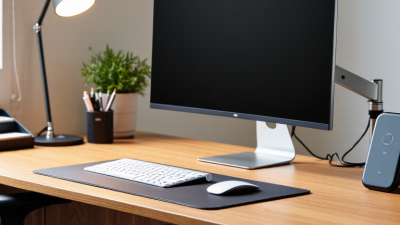
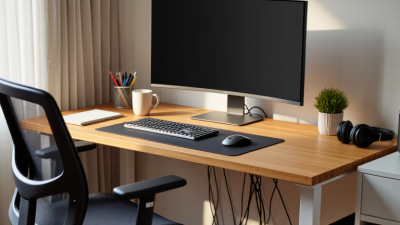
For operational buyers, a warehouse office connects product checks with inventory discussions. A meeting suite works well for supplier comparisons and contract planning. Home offices offer quiet concentration, but poor lighting or unstable internet can weaken calls. Field offices support buyers visiting farms, factories, or construction sites. Project rooms help cross-functional teams review samples, costs, timelines, and risks together. Hybrid hubs combine remote preparation with scheduled face-to-face sessions.

The best environment depends on the buyer’s goal, not appearance. A cost-focused buyer may prefer a simple virtual setup. A quality-focused buyer may need direct product access and technical staff nearby. Decision makers also value clear documents, reliable connectivity, secure storage, and comfortable seating. Small details matter. A missing sample can delay approval for days.

No setup works perfectly. I have seen teams choose impressive spaces that created noise, delays, and unnecessary expense. A quieter room with accurate specifications often performs better. Teams should review each environment after real buyer meetings, then adjust lighting, tools, staffing, and communication routines.

Assessing Costs, Scalability, and Long-Term Productivity Gains

Top 10 Productive Work Environments for Global Buyers

Global buyers need more than attractive prices; they need environments that protect output over time. Ten practical options include private offices, coworking spaces, hybrid teams, home offices, shared procurement hubs, supplier clusters, logistics centers, trade offices, regional project rooms, and temporary sourcing teams. Each environment affects communication speed, operating costs, and purchasing control.

A private office offers confidentiality but creates rent and staffing costs. Coworking spaces reduce setup expenses and support quick expansion, although privacy can be limited. Remote teams scale efficiently across time zones, yet weak documentation may cause expensive delays. Hybrid teams often balance flexibility with accountability. In practice, a small buyer team may save several thousand dollars monthly by working remotely, then reserve meeting rooms for supplier audits and contract reviews.

Supplier clusters can shorten transport routes and reduce inspection time. Logistics centers improve delivery coordination, but their fees may rise during peak seasons. Regional project rooms support local knowledge and faster decisions. I recommend comparing each option through five measures: monthly cost, hiring capacity, response time, error rates, and three-year productivity gains. Track purchase-cycle duration, not just rent.

The cheapest environment is not always productive. A low-cost setup may create hidden rework. My own assessment would remain cautious when data covers only one quarter. Seasonal demand, staff turnover, and unstable internet access can distort results. Reliable buyers should test an environment with a limited project before expanding it. Small trials reveal uncomfortable weaknesses.

Top 10 Productive Work Environments for Global Buyers? — Assessing Costs, Scalability, and Long-Term Productivity Gains
Rank Work Environment Typical Flexible Desk Cost
(USD/month)
Prime Office Rent
(USD/m²/year)
Business Broadband
(Typical Download Range)
International Connectivity Scalability
Score / 5
5-Year Productivity Outlook
Score / 100
Best Fit for Global Buyers
1 Singapore — Transit-Connected CBD Workspace 500–900 900–1,800 300–1,000 Mbps UTC+8; major regional aviation and shipping hub 5.0 91 Asia-Pacific sourcing, regional management, and high-value coordination
2 Amsterdam — Cycling and Rail-Linked Innovation District 350–700 500–1,000 200–1,000 Mbps UTC+1; strong European rail, airport, and port access 4.8 89 European procurement, design collaboration, and multilingual teams
3 Dublin — English-Speaking Technology Cluster 400–750 600–1,200 200–1,000 Mbps UTC; direct links to Europe and North America 4.7 88 International sales, technology operations, and cross-border service teams
4 Berlin — Flexible Creative and Engineering Hub 300–650 450–900 100–1,000 Mbps UTC+1; broad European air and rail connections 4.5 86 Product development, industrial design, and European market testing
5 Toronto — North American Multicultural Business Centre 350–700 500–1,000 100–1,000 Mbps UTC−5; strong North American air and rail connectivity 4.4 85 North American purchasing, finance, and multicultural customer operations
6 Melbourne — University and Knowledge-Worker Precinct 300–600 400–850 50–1,000 Mbps UTC+10; gateway to Australia and Asia-Pacific markets 4.2 83 Research-led sourcing, education products, and Asia-Pacific support
7 Warsaw — Cost-Efficient Central European Operations Hub 180–400 250–550 100–1,000 Mbps UTC+1; central position for European distribution 4.6 82 Shared services, procurement analysis, and scalable regional teams
8 Lisbon — Remote-Friendly Atlantic Workspace 220–450 300–650 100–1,000 Mbps UTC; convenient overlap with Europe, Africa, and the Americas 4.3 80 Distributed teams, customer support, and international digital commerce
9 Dubai — High-Connectivity Free-Zone Workspace 350–750 450–1,000 200–1,000 Mbps UTC+4; convenient overlap across Europe, Asia, and Africa 4.5 79 Middle East distribution, re-export activity, and global trading teams
10 Bengaluru — Engineering and Shared-Service Campus 150–350 250–600 50–500 Mbps UTC+5:30; strong talent pool with broad time-zone coverage 4.7 78 Software-enabled procurement, analytics, support, and back-office scale
Data note: Costs are indicative 2024–2025 planning ranges in USD and vary by district, lease term, furnishing level, and occupancy. Office rents represent prime or high-quality commercial space rather than average citywide rents. Broadband figures reflect commonly available business-service ranges in central commercial areas. The scalability and productivity scores are composite planning indicators based on occupancy flexibility, connectivity, talent access, transport, time-zone coverage, and expected five-year operating resilience; they are not measured claims of individual employee productivity. Figures should be validated against current local quotations before procurement.